

Last updated October 31, 2026
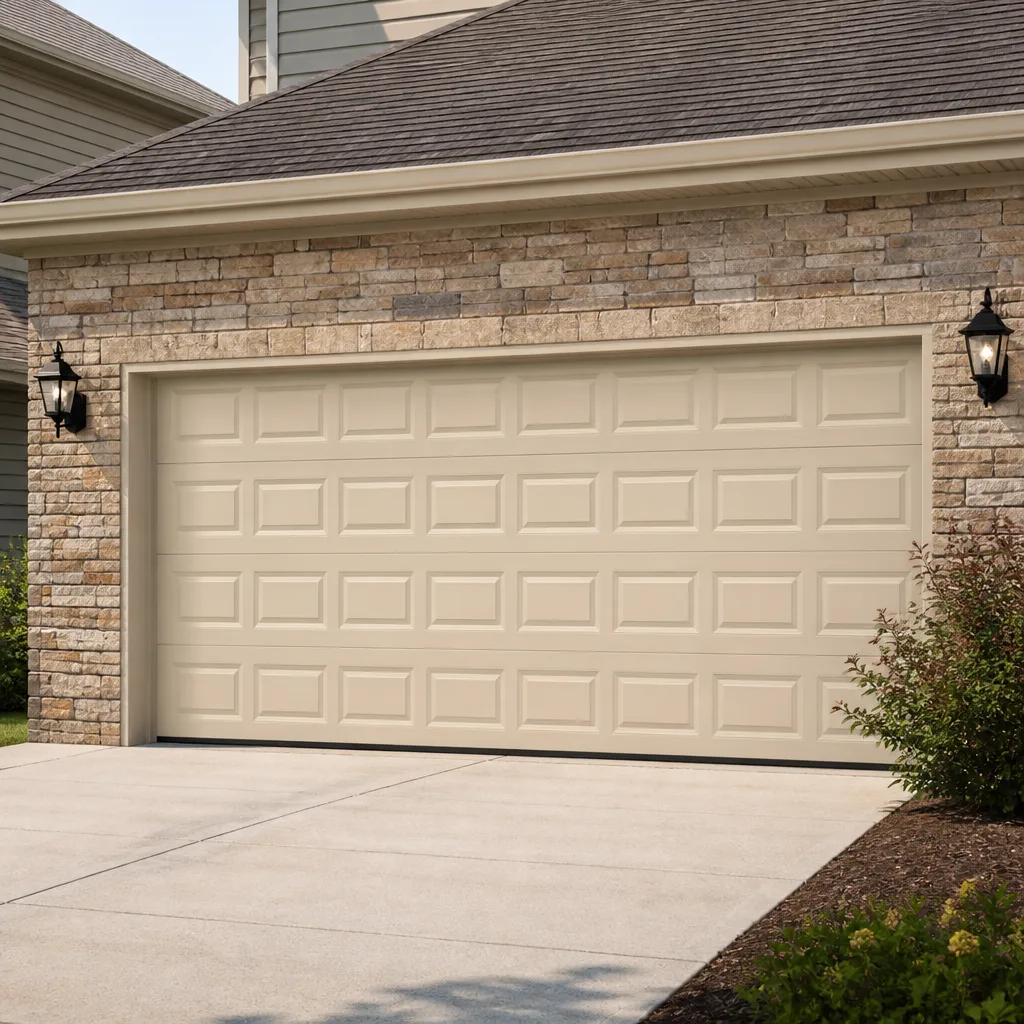 Raised-panel steel
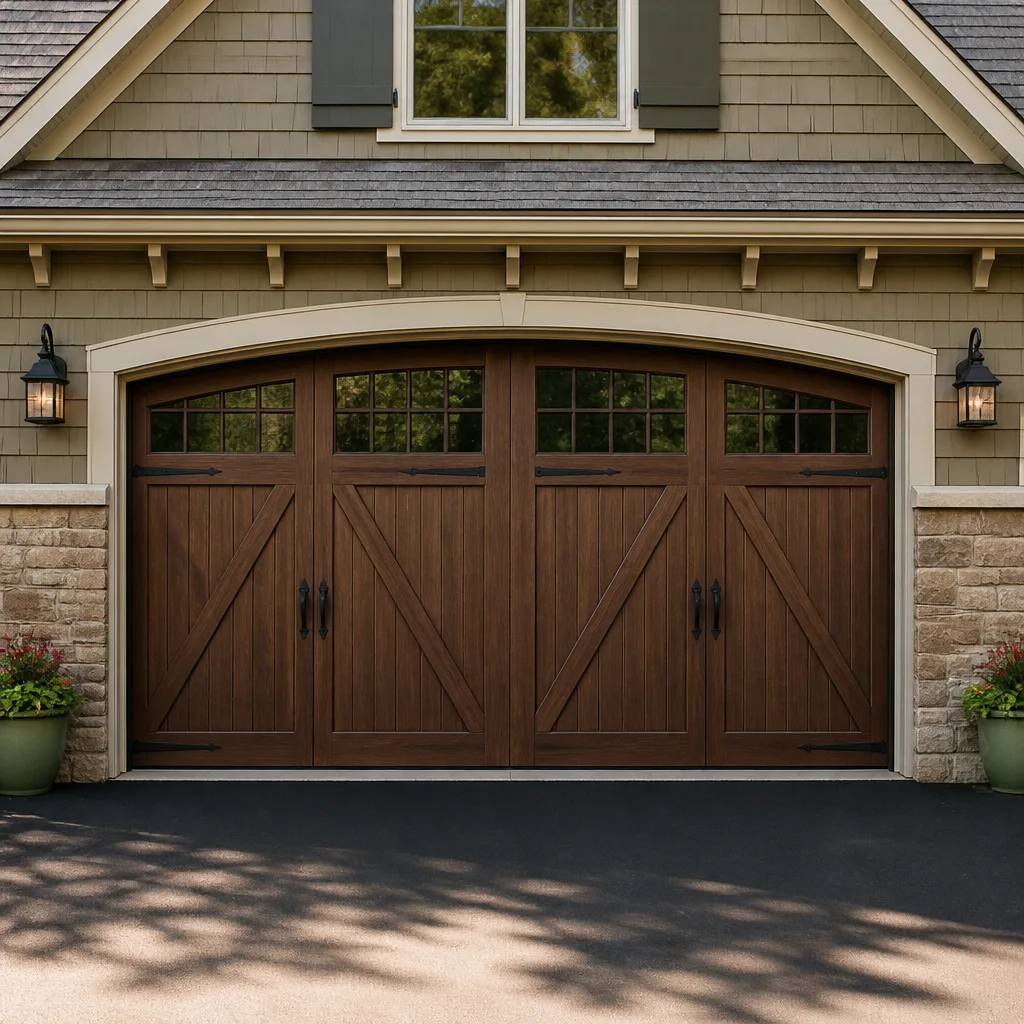 Carriage house
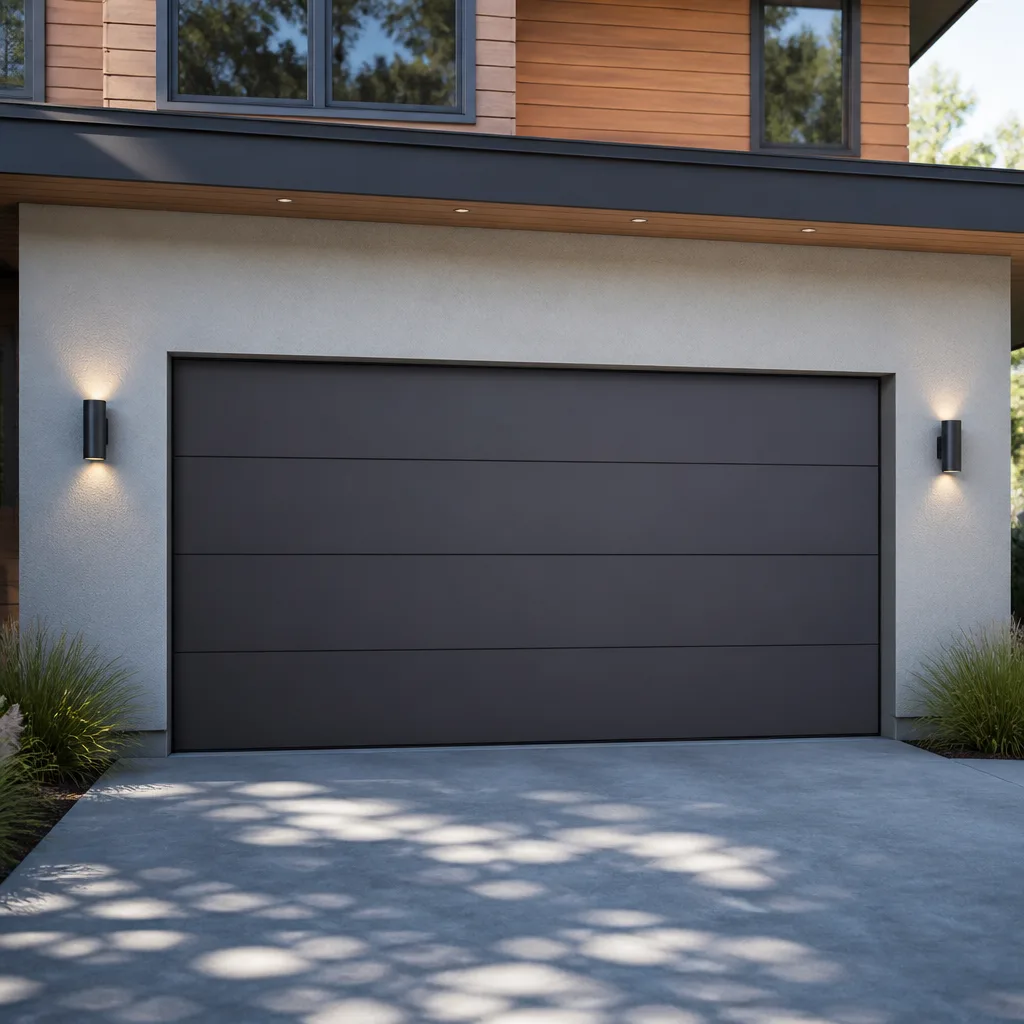 Modern flush
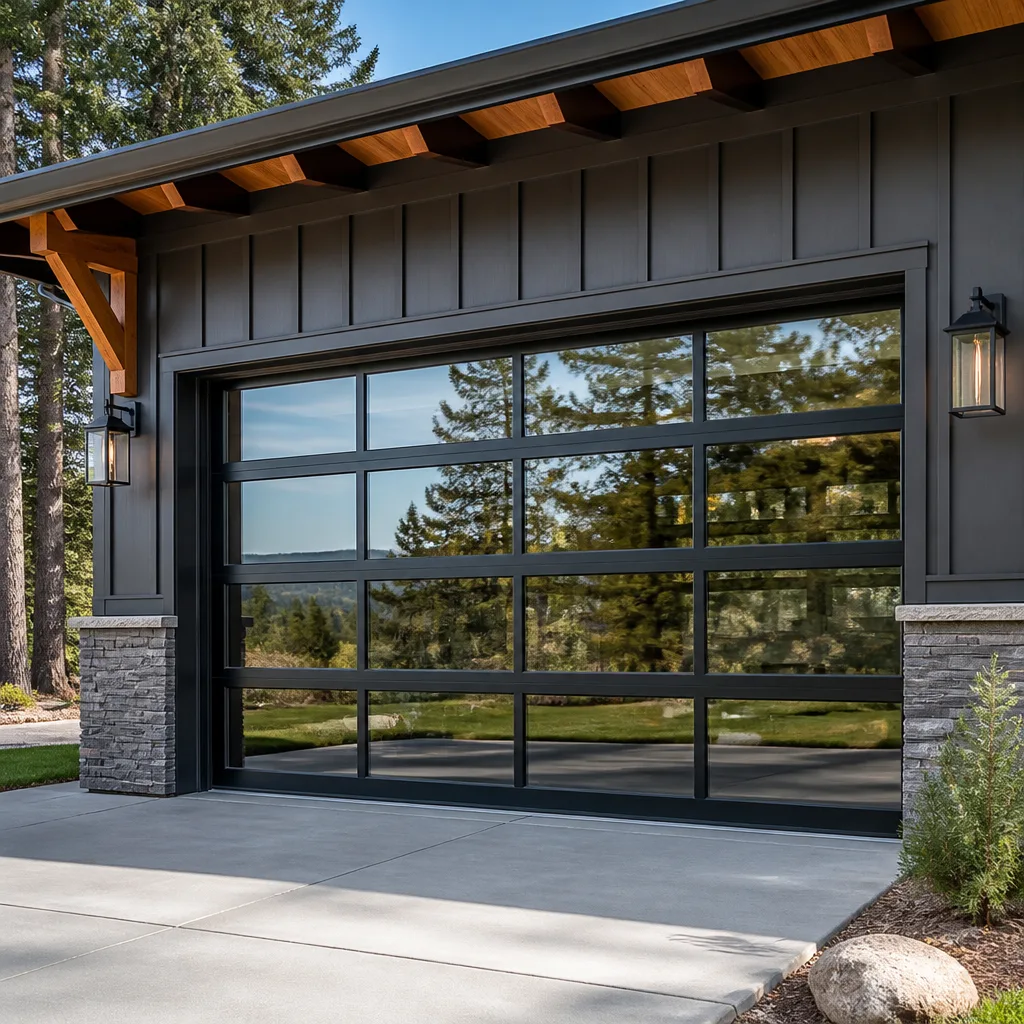 Full-view glass
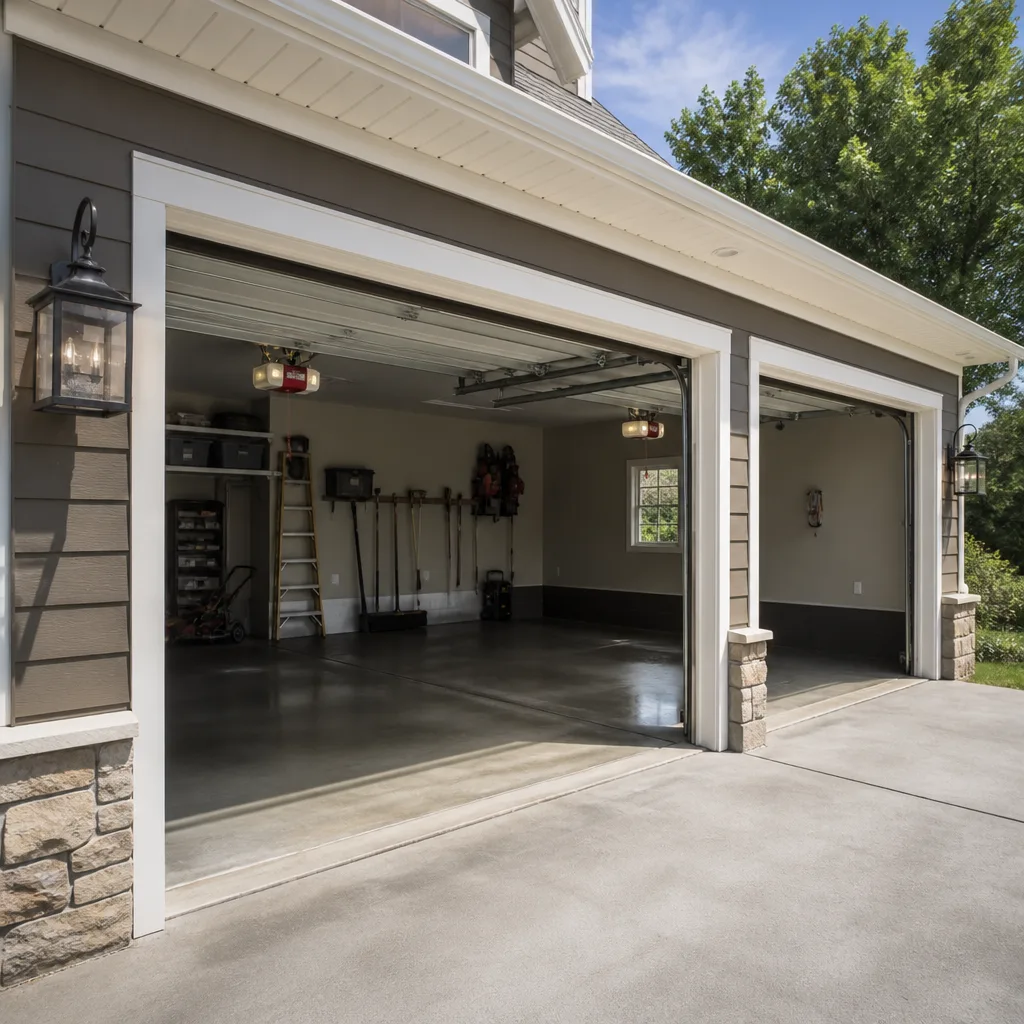 LiftMaster openers
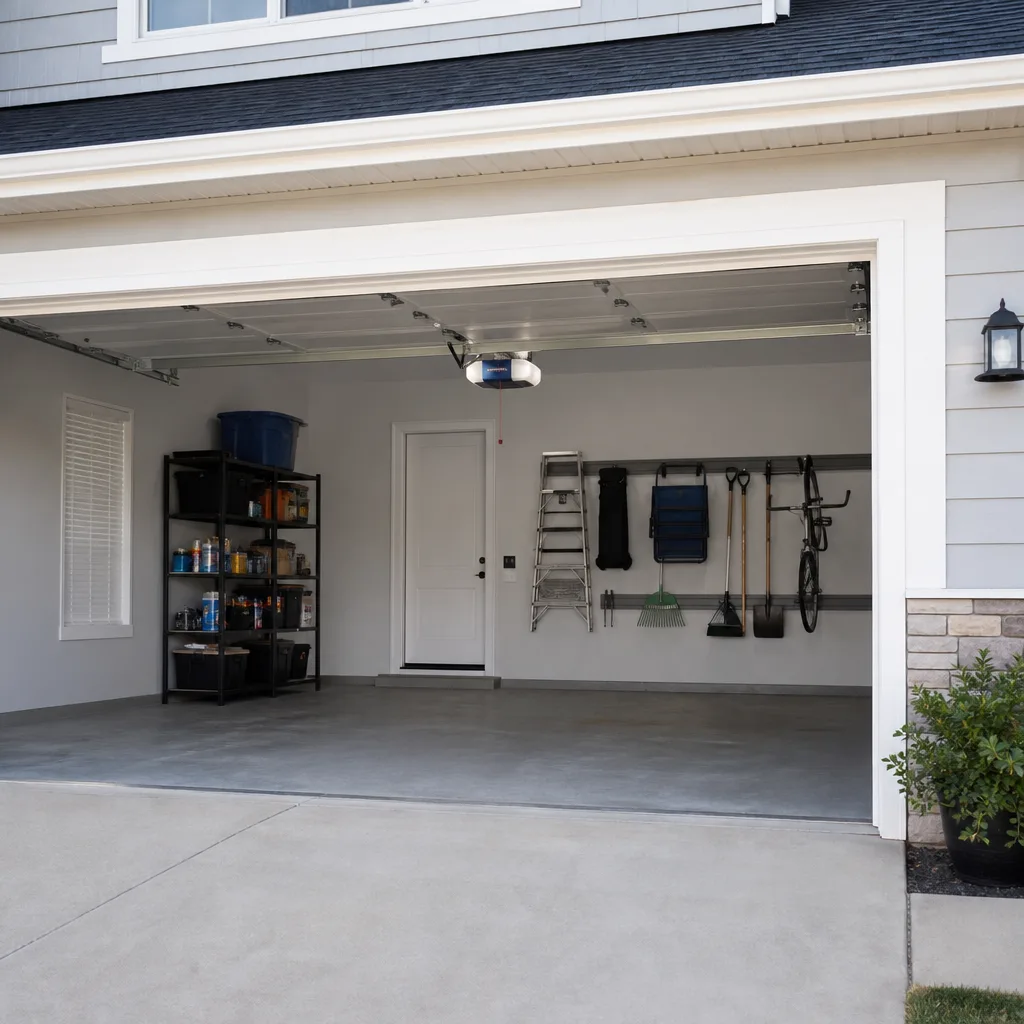 Chamberlain openers
Full 25-point door and opener safety check with every visit - springs, cables, rollers, tracks, and your LiftMaster or Chamberlain opener included
You get a price before we start. It does not change when the truck arrives.
Get your free estimateGarage Door Permits, Codes & Inspections in CA: What You Need to Know
A Sacramento homeowner we spoke with last year replaced a single-car garage door with a double-car door. No permit. No structural review. Two years later, during escrow, the buyer’s inspector flagged the wider opening because the header above it had been modified. The sale nearly collapsed. The fix required retroactive permitting, a structural engineer’s sign-off, and a three-week delay. The cost of doing it right the first time would have been a few hundred dollars. This guide covers exactly when a garage door project in Sacramento and across California requires a permit, what codes apply, how inspections work, and where homeowners most often get into trouble. For garage door warning signs every Sacramento homeowner should know, see our dedicated reference.
Quick Answer
A standard garage door replacement in Sacramento usually does not require a permit when you’re swapping a door of the same size in an existing opening with no structural changes. A permit is required when you alter the opening size, modify the header or supporting walls, convert the garage to living space (ADU or JADU), or install a new garage on new construction. The threshold comes from California Building Code Section 105 and local Sacramento amendments.
Styles & brands we work with
Table of Contents
- Sacramento Permit Thresholds: What Triggers a Permit and What Doesn’t
- Title 24 Energy Compliance and Your Garage Door
- ADU and JADU Conversions: The Permit Pathway Homeowners Underestimate
- How to Check Permit History Before Buying a Home in Sacramento
- Who’s Responsible: Contractor vs. Homeowner When a Permit Is Required
- What a Garage Door Inspection Actually Covers
- Permit Costs and Timelines in Sacramento
Sacramento Permit Thresholds: What Triggers a Permit and What Doesn’t
California Building Code Section 105 lists the work types that require a permit. The section applies statewide, but Sacramento County and the City of Sacramento each layer on local amendments. Here’s the practical version for garage doors.
A permit is not required for:
- Replacing a garage door with a new door of the same dimensions in the same opening
- Replacing garage door springs, cables, rollers, tracks, or hinges on an existing door
- Replacing a garage door opener with a like-for-like unit
- Repainting or refinishing an existing garage door
- Replacing weatherstripping or seals around the door perimeter
A permit is required for:
- Enlarging or resizing the garage door opening (including single-to-double conversions)
- Cutting into a load-bearing wall to widen an opening
- Installing a new header or modifying an existing header
- Building a new garage or adding a garage bay to an existing structure
- Converting a garage to habitable space, including ADU and JADU conversions
- Installing a garage door where none existed before
The distinction matters more than most homeowners realize. A same-size door swap is maintenance. A wider opening is structural alteration. The header above your garage door carries roof and second-floor weight. Change the span, and you change the load path. That’s why Sacramento requires an engineered detail, not just a permit fee.
In neighborhoods like Land Park and East Sacramento, where many homes date to the 1940s and 1950s, we regularly see older garages with undersized headers even in original openings. If you’re planning to widen an opening in one of these homes, expect the plan review to require a structural calculation from a licensed engineer. Sacramento’s building department will not accept a contractor’s word that the new header is fine.
Title 24 Energy Compliance and Your Garage Door
California’s Title 24 energy standards get triggered in a specific way for garage doors: when the garage is part of the conditioned envelope of the house, or when a garage conversion brings the space into the conditioned area. For a standard attached garage that remains unconditioned, a same-size door replacement does not trigger Title 24 review.
But the moment you convert a garage to an ADU or a JADU, the door replacement becomes an energy compliance issue. Here’s what changes:
- The garage door must meet R-value requirements for the climate zone. Sacramento is in Climate Zone 12, which has specific insulation minimums for conditioned spaces.
- Air sealing matters. A converted garage with a standard sectional door will leak air around the perimeter unless the installation includes proper weatherstripping and threshold seals.
- Title 24 documentation must be submitted with the permit application. This typically means a CF-1R form prepared by a certified energy consultant or the designer.
- The inspection will verify the installed door matches the documented R-value and sealing details.
What many homeowners miss: if you’re planning an ADU conversion and the existing garage door stays in place as a decorative element, the opening must still be sealed and insulated to meet Title 24. You can’t just leave an operable door and call it a wall. The compliance calculation accounts for the entire opening.
For a non-converted Sacramento garage, we keep it simple: a standard insulated steel door from Clopay or Amarr with an R-value between R-9 and R-12 is more than sufficient for the region’s climate. Sacramento summers push garage temperatures well past 110°F. An insulated door keeps the garage noticeably cooler, which matters if you use the space as a workshop or storage.
ADU and JADU Conversions: The Permit Pathway Homeowners Underestimate
Accessory Dwelling Unit (ADU) and Junior Accessory Dwelling Unit (JADU) conversions are the single biggest permit blind spot we see in Sacramento garage door work. California has made ADU permitting dramatically easier since 2020 with statewide streamlining laws. That ease has led some homeowners to assume the garage door portion of the work is trivial. It’s not.
Here’s the step-by-step pathway when a garage conversion touches the door opening:
- Determine the conversion type. A full ADU (separate living space with kitchen) has different requirements than a JADU (up to 500 square feet, may share bath facilities). Both require a change of use permit.
- Structural review of the door opening. If the garage door is being removed and infilled with a wall, the opening must be framed per engineering. If the door remains as a window or French door replacement, the header may need reinforcement.
- Title 24 compliance. As covered above, the space becomes conditioned. Insulation, air sealing, and fenestration rules apply to whatever occupies the former door opening.
- Fire separation. If the ADU shares a wall with the main house, the former garage door wall needs a one-hour fire-rated assembly. This is a common inspection failure point.
- Final inspection and certificate of occupancy. The space cannot be legally rented or occupied until the building department signs off.
Sacramento has specific ADU incentives and fee structures that change periodically. The city published an ADU handbook that walks through the process, and the planning counter downtown can confirm current fee waivers. But the garage door portion of the work is rarely the part that gets a fee waiver. The structural and fire-rating requirements apply regardless.
We’ve worked with homeowners in Midtown and Oak Park who converted garages under the state’s streamlining rules. The ones who got through inspection quickly had done two things right: they pulled the complete permit before starting any work, and they had an engineer review the door opening before the framing went up. The ones who got stuck had changed the opening without documentation.
How to Check Permit History Before Buying a Home in Sacramento
If you’re buying a home, the garage door is one of the first places we tell clients to check for unpermitted work. Here’s the process:
- Request the permit history from the seller. Sacramento sellers are required to disclose known unpermitted work on the Transfer Disclosure Statement. Ask directly about any garage door or garage structure changes.
- Check public records online. The City of Sacramento and Sacramento County both have online permit lookup tools. Search by address. Look for permits related to garages, additions, or alterations.
- Compare the permit record to the physical reality. If the home has a double-car garage door but the permit history shows only a single-car door, that’s a red flag. If the garage was converted to a bedroom but no change-of-use permit exists, that’s a bigger one.
- Request a retroactive permit if work was done without one. Sacramento does allow retroactive permitting for some work, but the process requires bringing the work up to current code. For structural changes, that often means opening walls for inspection.
What a missing permit on a previous door replacement means for your liability: if you buy the home and the unpermitted work is later discovered, you inherit the liability. The previous owner’s failure becomes your problem. Homeowners insurance may deny claims related to unpermitted work. A future buyer can demand a retroactive permit as a condition of sale. In Sacramento’s competitive market, some buyers waive inspection contingencies, and unpermitted garage work slides through until resale.
The Escrow Angle: In our experience, garage door issues typically surface during the buyer’s inspection, not the appraisal. A home inspector who sees a wider-than-expected door opening or fresh framing around a former door will often flag it. The seller then has three choices: pull a retroactive permit, reduce the price, or lose the buyer.
Who’s Responsible: Contractor vs. Homeowner When a Permit Is Required
Under California law, the responsibility for pulling a permit falls on the person doing the work. For a homeowner hiring a contractor, that means the contractor is responsible for pulling the permit in most cases. But the legal reality is more nuanced, and homeowners who assume their contractor handled it can still face consequences.
Here’s what California Code of Regulations and Sacramento practice actually say:
- Licensed contractors are required to pull permits for work that requires them. A contractor who does permit-required work without a permit is subject to CSLB discipline, including citation and license suspension.
- The property owner is ultimately responsible. The building department holds the property owner accountable for work done on their property, regardless of who did it. If a contractor skips the permit and disappears, the homeowner is the one cited.
- If the homeowner acts as owner-builder, the homeowner is responsible. Some Sacramento homeowners pull their own permits for garage door work. In that case, the homeowner is legally the contractor and assumes all liability.
- Verbal assurances don’t count. A contractor saying “this doesn’t need a permit” doesn’t protect the homeowner if the building department disagrees. The permit determination is the building department’s, not the contractor’s.
Practical advice: if a contractor tells you no permit is needed, ask them to confirm in writing. If they refuse, that’s a signal. In Sacramento, you can call the building department directly and describe the work. They’ll tell you whether a permit is required. It’s a ten-minute call that can prevent a multi-year headache.
For the record: Carlton Garage Door Repair works on existing openings and existing systems. When structural changes or opening modifications come up, we tell the homeowner up front that a permit and engineered drawings are required. We don’t do structural work without permits, and we don’t cut corners to save someone a few hundred dollars at the cost of their future resale.
What a Garage Door Inspection Actually Covers
If your project does require a permit, the inspection is the gatekeeper. Sacramento building inspectors are thorough about structural and fire safety items. Here’s what a typical garage door-related inspection checks:
Structural:
- Header size and bearing: is the header adequate for the span? Does it bear properly on the king studs and jack studs?
- Connections: are the header-to-stud connections made with the correct fasteners and straps?
- Opening dimensions: does the as-built opening match the approved plans?
Fire Safety (for attached garages):
- Separation: is the wall between the garage and living space fire-rated? This includes the area above the door opening.
- Door-to-house penetration: are there any ducts, pipes, or wiring passing through the garage wall that compromise the fire separation?
- Self-closing devices: if there’s a door between the garage and house, does it self-close and self-latch?
Energy Compliance (for conversions):
- Insulation: does the installed door match the R-value on the Title 24 documentation?
- Air sealing: are the perimeter seals and threshold installed correctly?
- Fenestration: if the former door opening now has windows or a French door, do those meet the fenestration requirements for the climate zone?
Doors themselves: the door, springs, tracks, and opener are not typically inspected for mechanical operation as part of a building permit. Those items fall under the manufacturer’s installation instructions and, in some cases, UL 325 for openers. The building inspector checks the opening, the structure, and the fire/energy compliance. The door mechanics are a separate matter.
That’s a distinction worth internalizing. A building inspection passing does not mean your garage door is mechanically sound. For garage door repair troubleshooting: common problems and how to fix them, check our detailed guide. We’ve seen doors pass inspection that had dangerous spring tension issues because the inspector’s scope doesn’t cover the door hardware. If the door is new, the manufacturer’s warranty and the installer’s workmanship matter more than the inspection sign-off.
Permit Costs and Timelines in Sacramento
Permit costs for garage door work in Sacramento vary by the scope. Here’s a realistic range as of the current fee schedule:
- Standard over-the-counter permit (same-size door replacement, no structural changes): Not required. No cost.
- Structural alteration permit (opening modification): $150 to $500 depending on the valuation of the work. Plan review adds time and possibly an engineer’s fee of $500 to $1,500.
- ADU or JADU conversion: Sacramento’s ADU fees range widely. Full ADU permits typically run $5,000 to $15,000 in total fees, though state fee waivers for smaller units reduce this. The garage door portion is a small fraction of the total.
- Retroactive permit (unpermitted work discovered later): Same fees as a standard permit, plus the cost of opening walls for inspection and any corrections needed to meet current code. Plan for 1.5 to 3 times the cost of doing it permitted in the first place.
Timelines: an over-the-counter structural alteration permit in Sacramento can be issued in days if the plans are simple. ADU conversions take longer, typically 4 to 12 weeks for plan review and approval. Retroactive permits add time for the review process, scheduling inspections, and making corrections. The homeowner in our opening example spent three weeks getting the retroactive permit squared away, and that was with an engineer who responded quickly.
The cost math is simple: a structural engineer’s review before you cut a header costs a few hundred dollars. A retroactive permit after the fact costs thousands and can delay or kill a sale. Sacramento homeowners who plan to stay in their homes for years may never feel the pain. The pain arrives at resale, and it arrives with interest.
Common Mistakes to Avoid
- Assuming all garage door replacements are permit-free. Same-size replacements are exempt. Anything that changes the opening size, the header, or the use of the space is not.
- Skipping the engineer when widening an opening. In Sacramento’s older neighborhoods like Curtis Park and Colonial Heights, existing headers are often undersized by modern standards. Widening without an engineer is structural gambling.
- Converting a garage to living space without a change-of-use permit. This is the most common unpermitted work we encounter in Sacramento. It creates issues with fire separation, energy compliance, and certificate of occupancy.
- Trusting a contractor’s verbal “no permit needed” without checking. The building department’s word is the one that matters. Confirm in writing or call the city.
- Buying a home without checking garage permit history. The ten-minute online lookup can save you from inheriting someone else’s unpermitted structural work.
- Assuming a building inspection covers door mechanics. The inspector checks structure, fire, and energy. The springs, cables, and opener are outside that scope. Get a separate door safety check from someone who works on door hardware daily.
- Ignoring Title 24 on a conversion. Sacramento’s Climate Zone 12 requirements apply to conditioned garage conversions. Skipping the energy documentation fails inspection.
See the difference
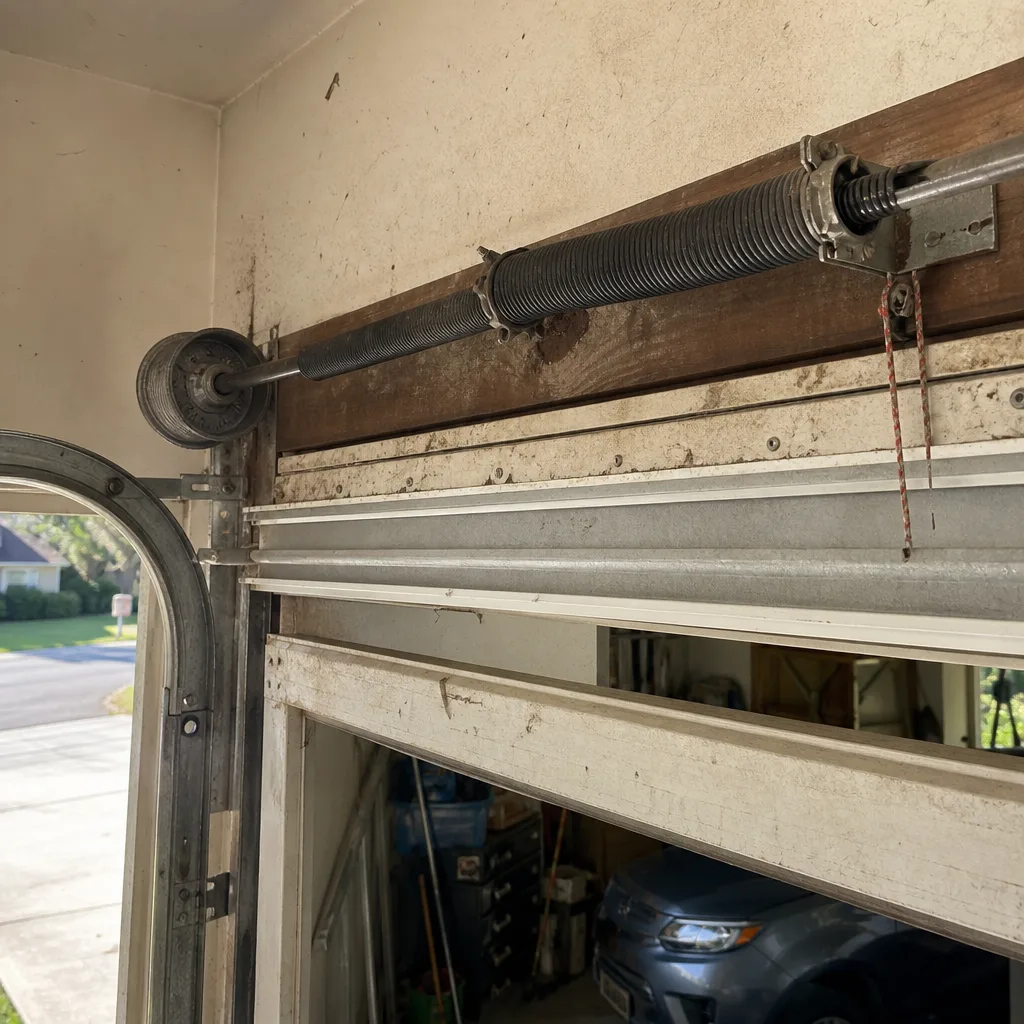 Before
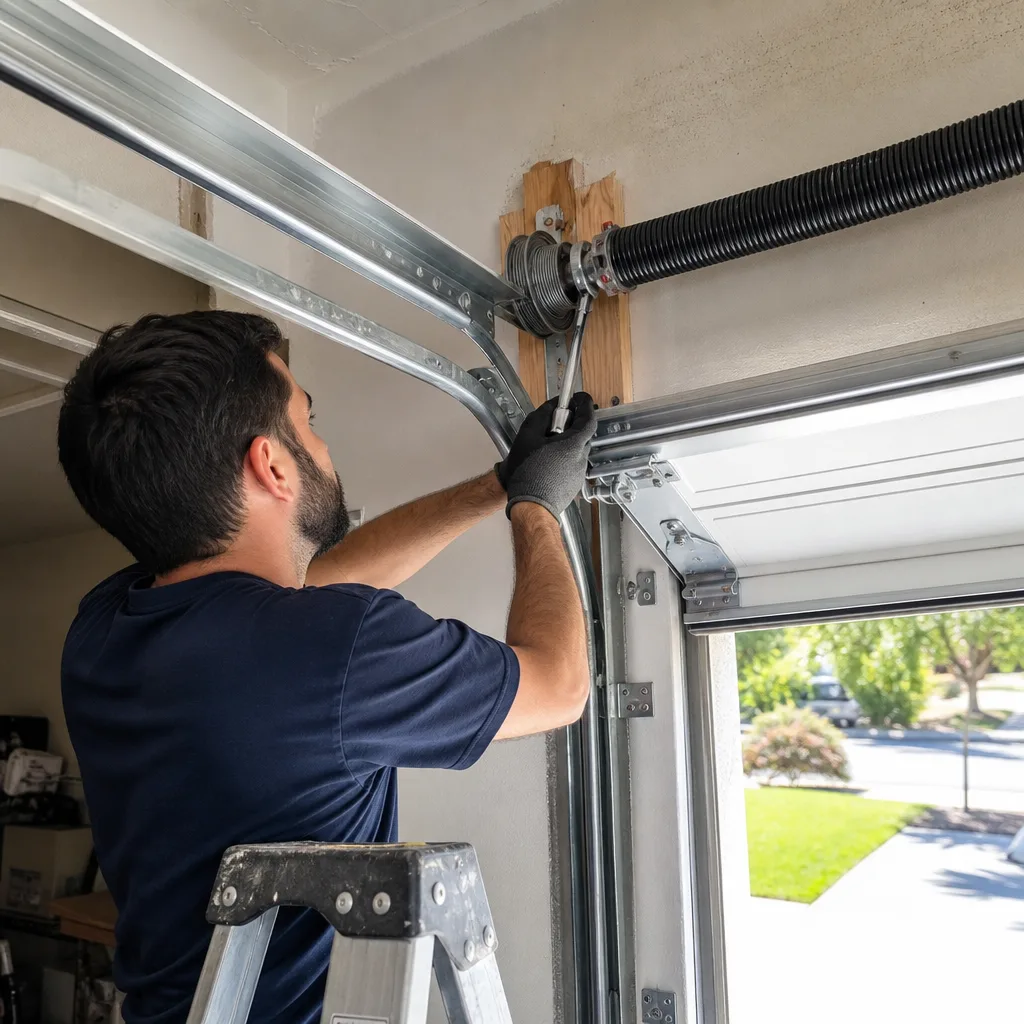 After
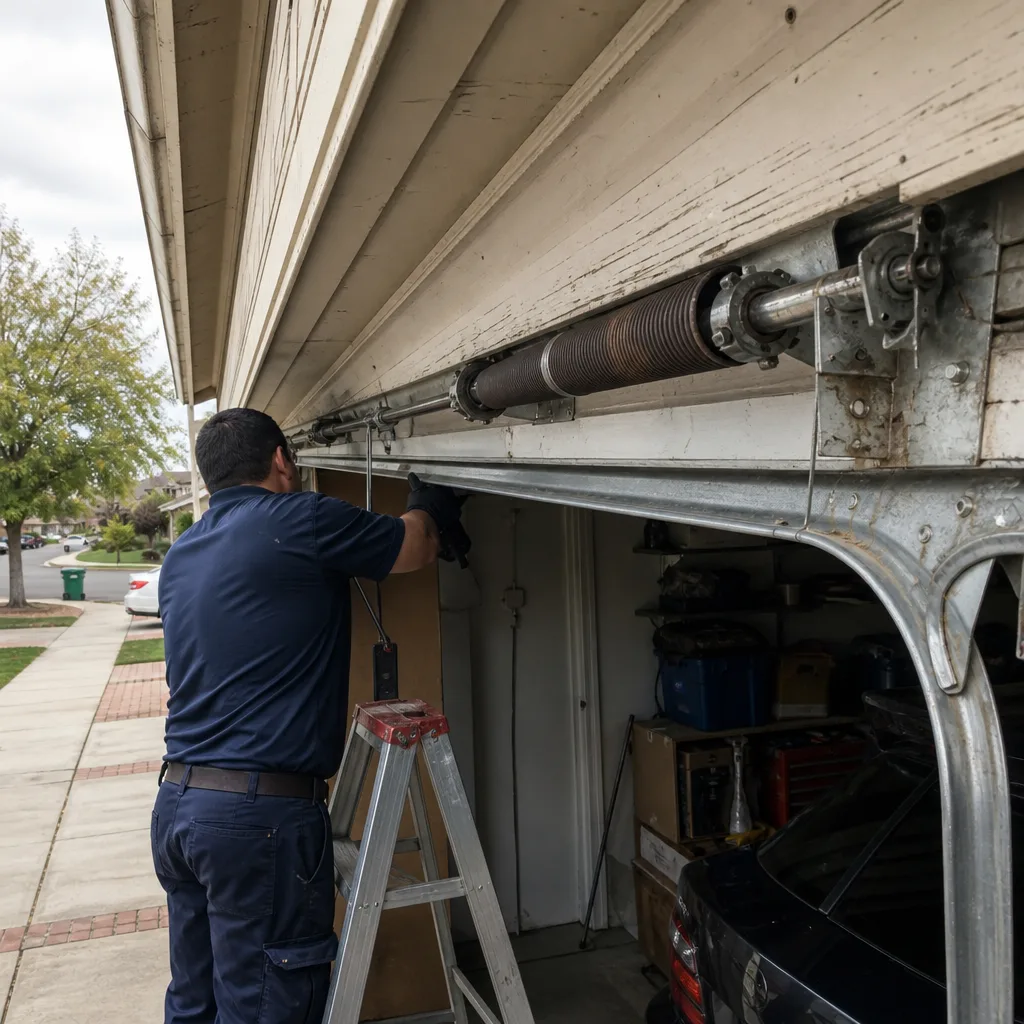 Before
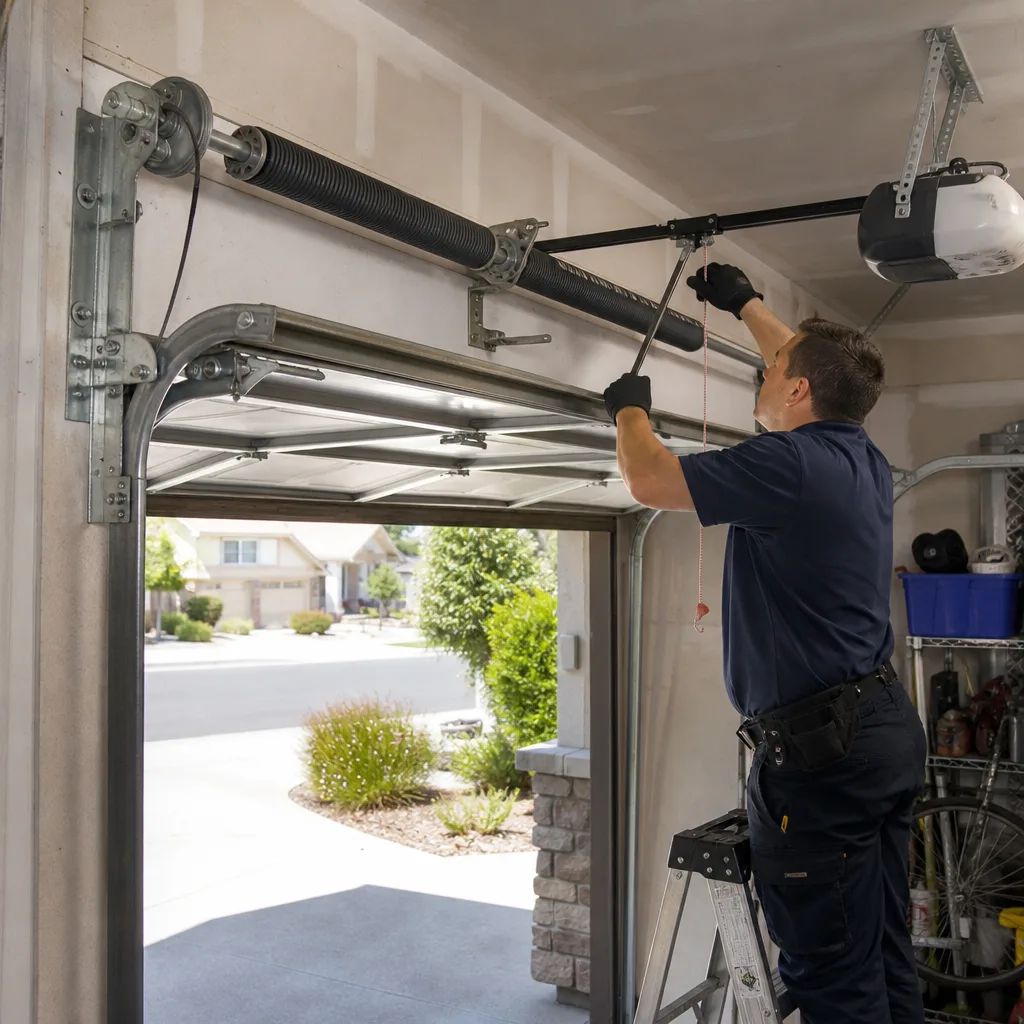 After
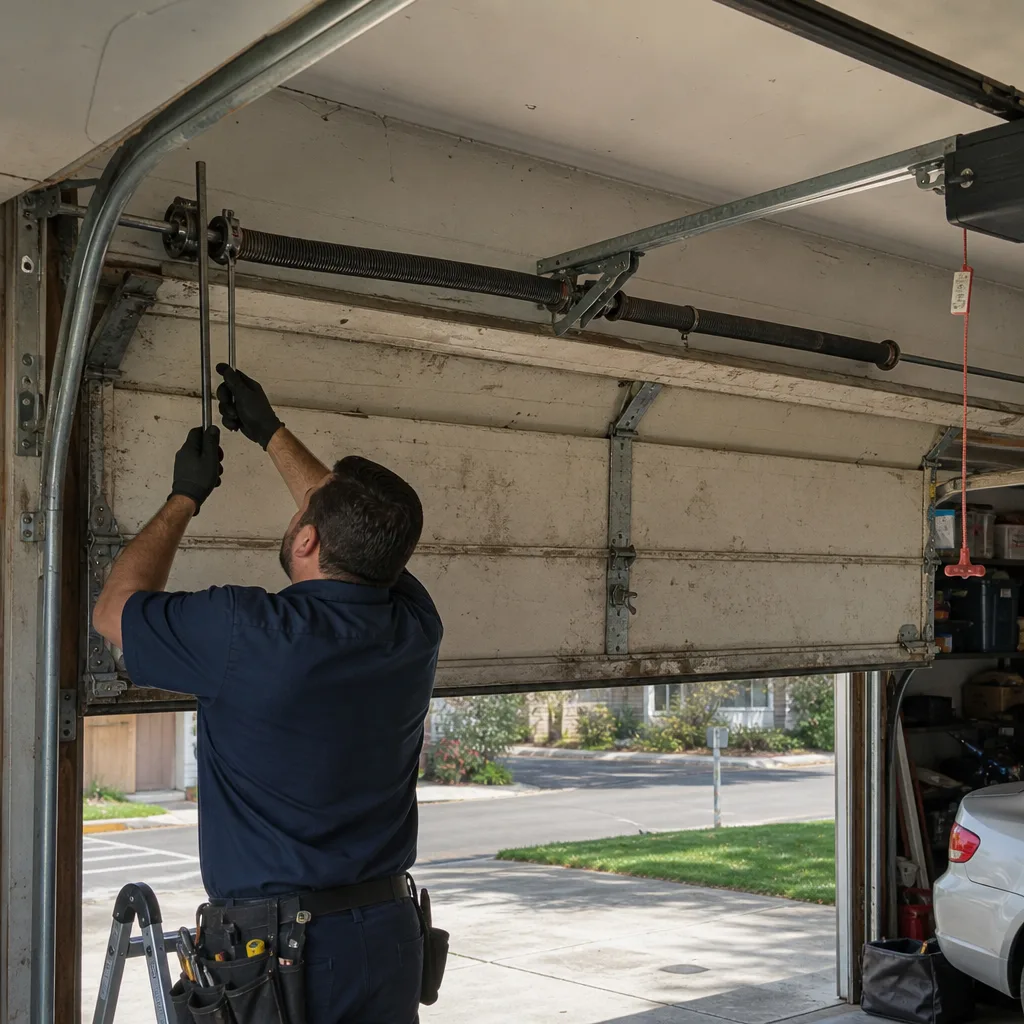 Before
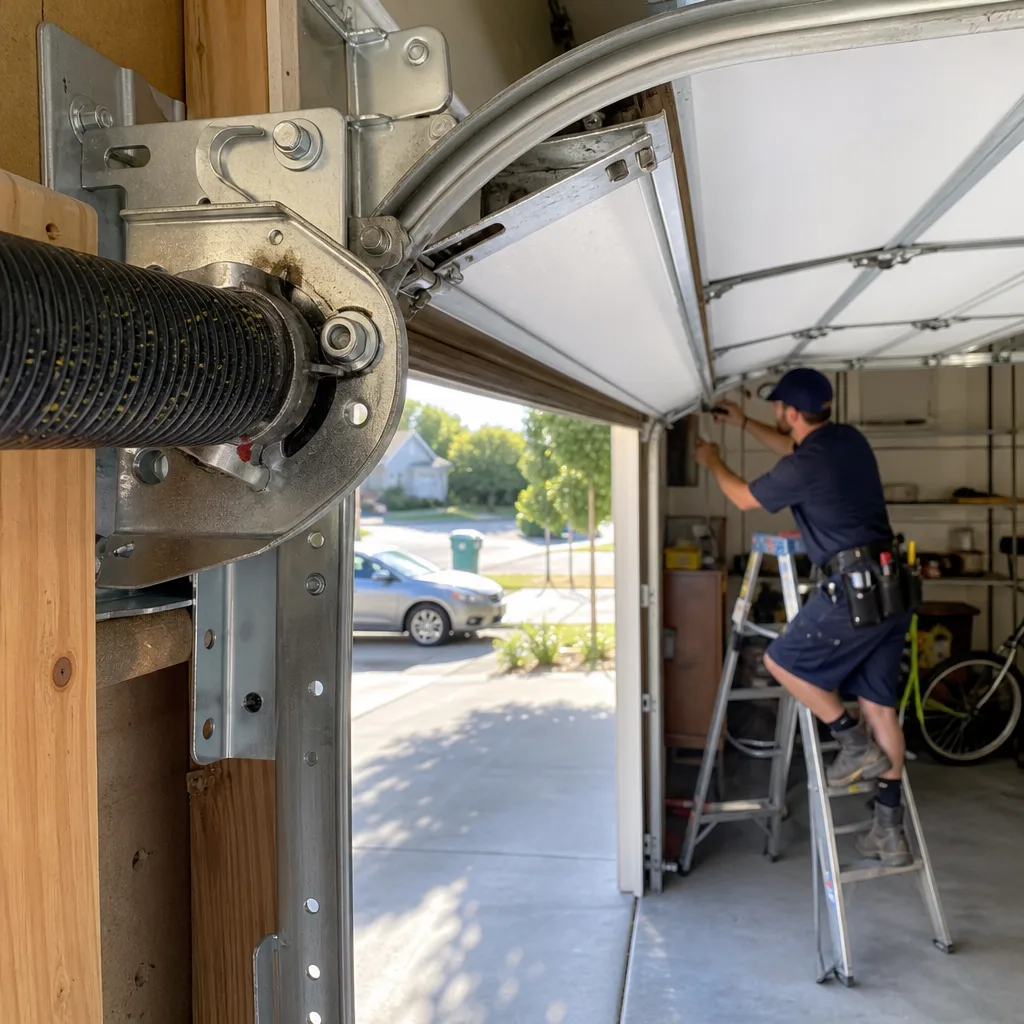 After
When to Call a Professional
If your garage door project involves a structural change, an opening modification, or a conversion, you need a licensed contractor and, in many cases, a structural engineer. You also need a door specialist who understands how the door itself integrates with the opening. Not every contractor who can frame a wall knows how a sectional door’s track system interacts with the framing. Carlton Garage Door Repair offers free estimates in Sacramento, and we’ll tell you honestly whether your project needs a permit, an engineer, or neither. Browse our more guides & resources for additional homeowner help. We service the brand you already own, from Clopay and Amarr to Wayne Dalton and Craftsman, and we’re familiar with your system before we arrive. Call (833) 589-6808 for a free estimate.
Frequently Asked Questions
No. Replacing a garage door with a new door of the same size in the same opening does not require a permit in Sacramento. Call (833) 589-6808 if you want to confirm your specific situation.
You risk a retroactive permit requirement when discovered, which typically involves opening the wall for structural inspection and bringing the work up to current code. The issue usually surfaces at resale during the buyer’s inspection. Call (833) 589-6808 to discuss getting the work permitted correctly.
Yes. A garage-to-ADU conversion requires a change-of-use permit, and the former door opening must meet structural, fire separation, and Title 24 energy requirements. Call (833) 589-6808 for guidance on the door portion of your conversion.
The contractor can face CSLB discipline, but the property owner is ultimately responsible for work on their property. The homeowner is the one cited by the building department. Call (833) 589-6808 if you have questions about your specific project.
Yes. The City of Sacramento and Sacramento County both offer online permit lookup tools by address. Check before buying a home, and request a retroactive permit if you find unpermitted work. Call (833) 589-6808 for a door inspection during escrow.
No. Building inspections cover structural, fire, and energy compliance, not door mechanics. We recommend a separate safety check of springs, cables, tracks, and the opener. Call (833) 589-6808 for a free estimate on a door inspection.
The Bottom Line
Garage door permits in Sacramento come down to one question: does the work change the opening or the use of the space? If it does, you need a permit, and skipping it creates real liability at resale. Same-size replacements in existing openings are exempt. ADU and JADU conversions trigger structural, fire, and Title 24 requirements that homeowners consistently underestimate. Review our Garage Door Repair Maintenance Checklist for Sacramento Homeowners to stay ahead of issues. Check permit history before buying, hold contractors to written confirmation of permit status, and remember that a building inspection does not cover door mechanics. The hundred-page code sections reduce to one practical rule: when in doubt, confirm with the building department before work starts.
Written by the team at Carlton Garage Door Repair, serving Sacramento since 2012.
For more on our services, see our Carlton Garage Door Repair home page, our Garage Door Repair in Sacramento service page, our Garage Door Opener Repair in Sacramento specialty, or our Garage Door Installation in Sacramento guide.