

Last updated October 31, 2026
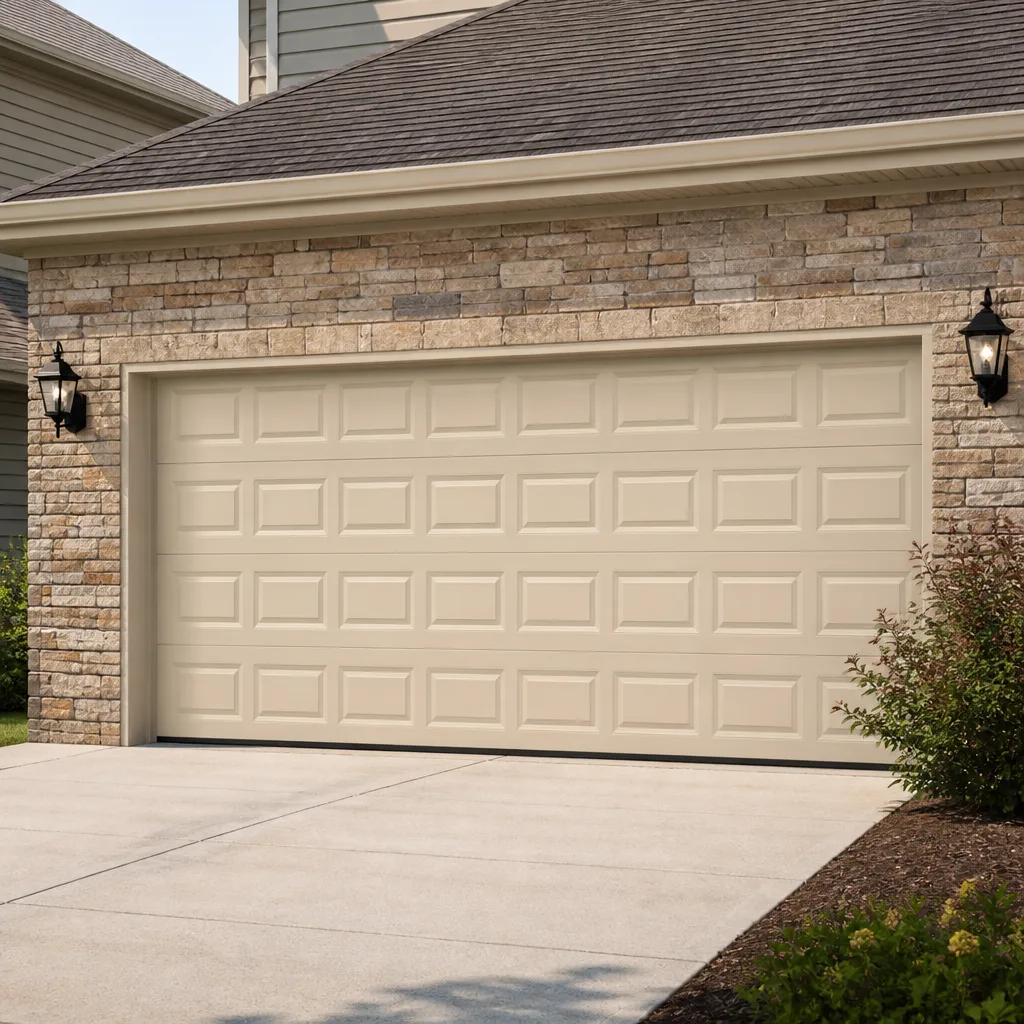 Raised-panel steel
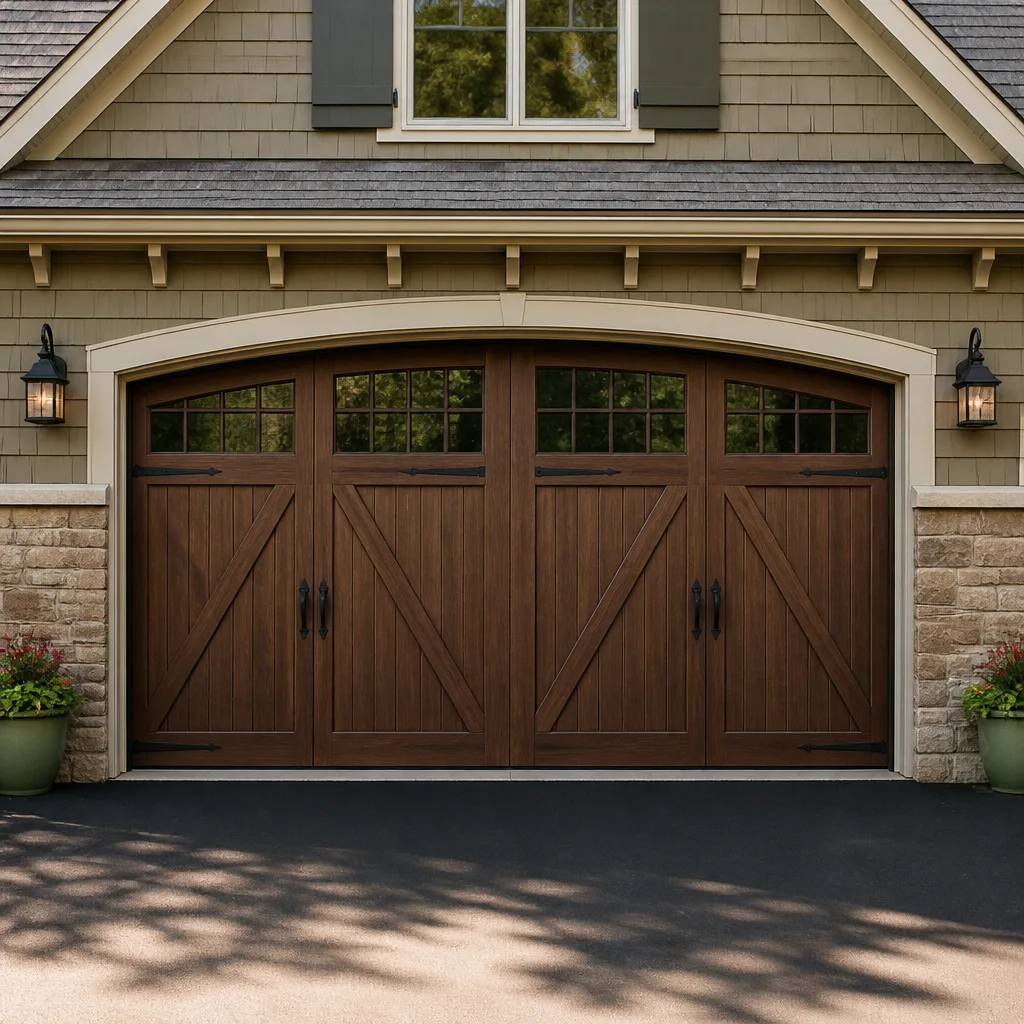 Carriage house
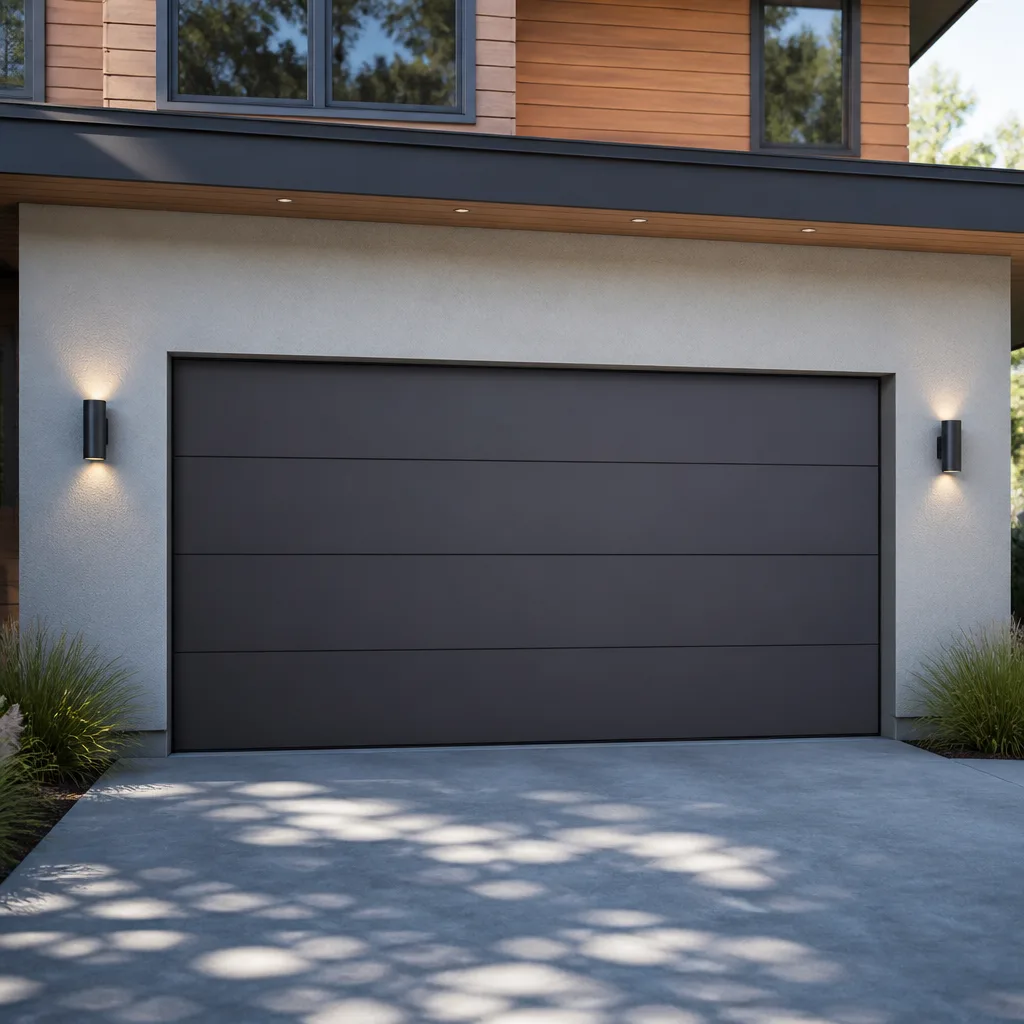 Modern flush
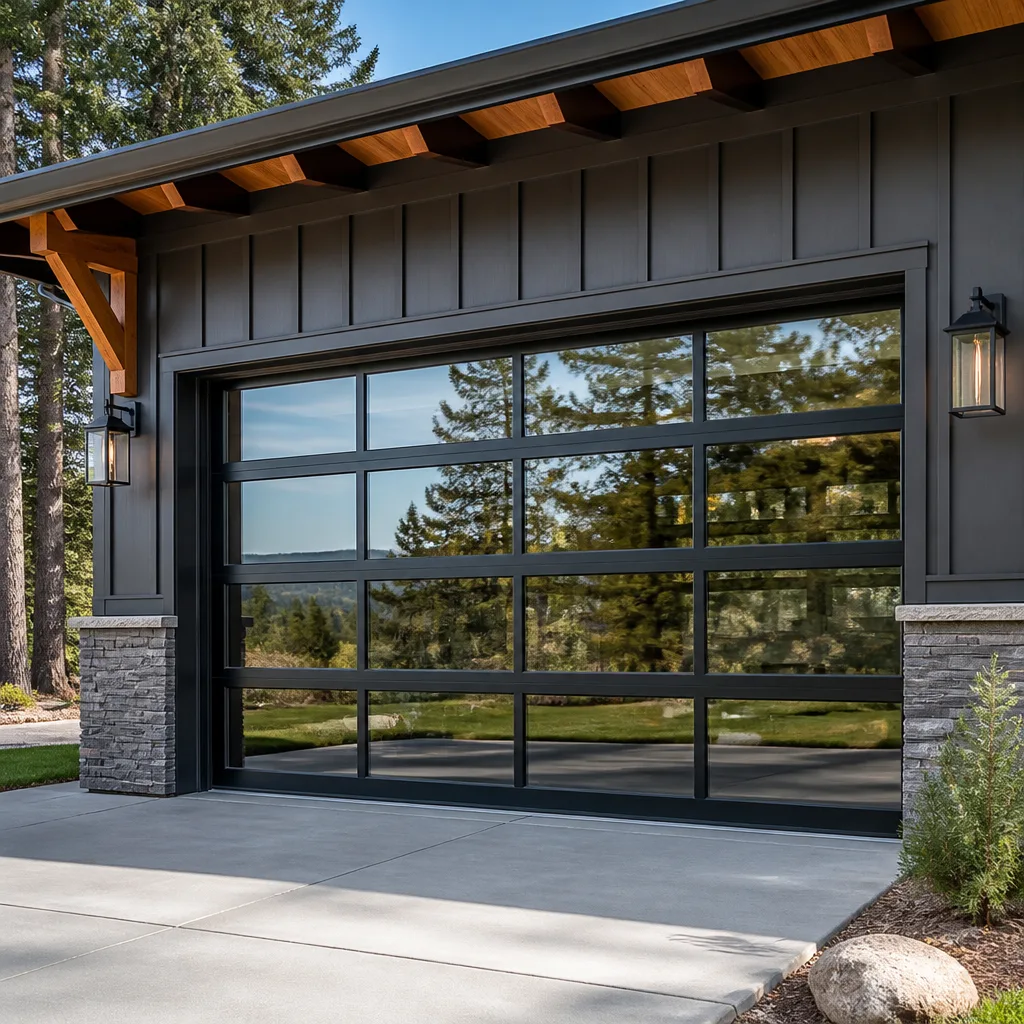 Full-view glass
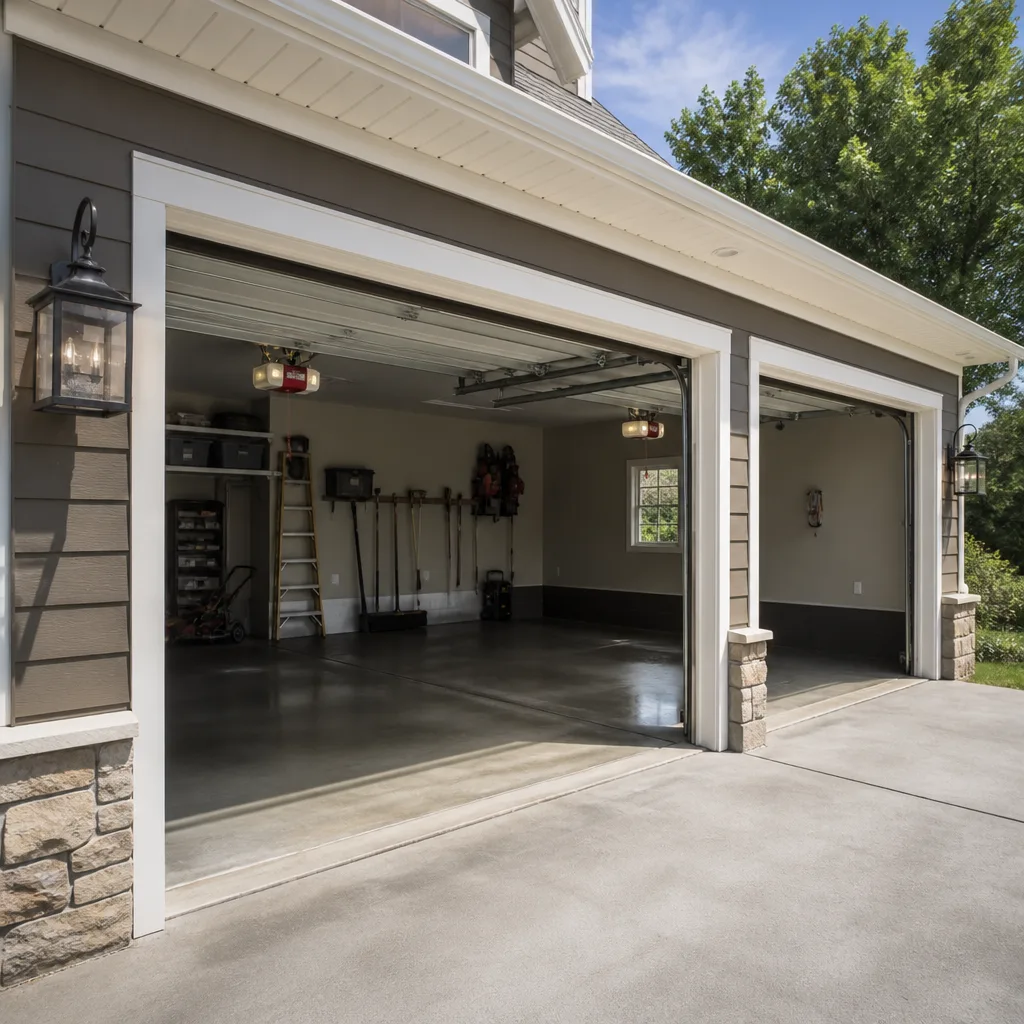 LiftMaster openers
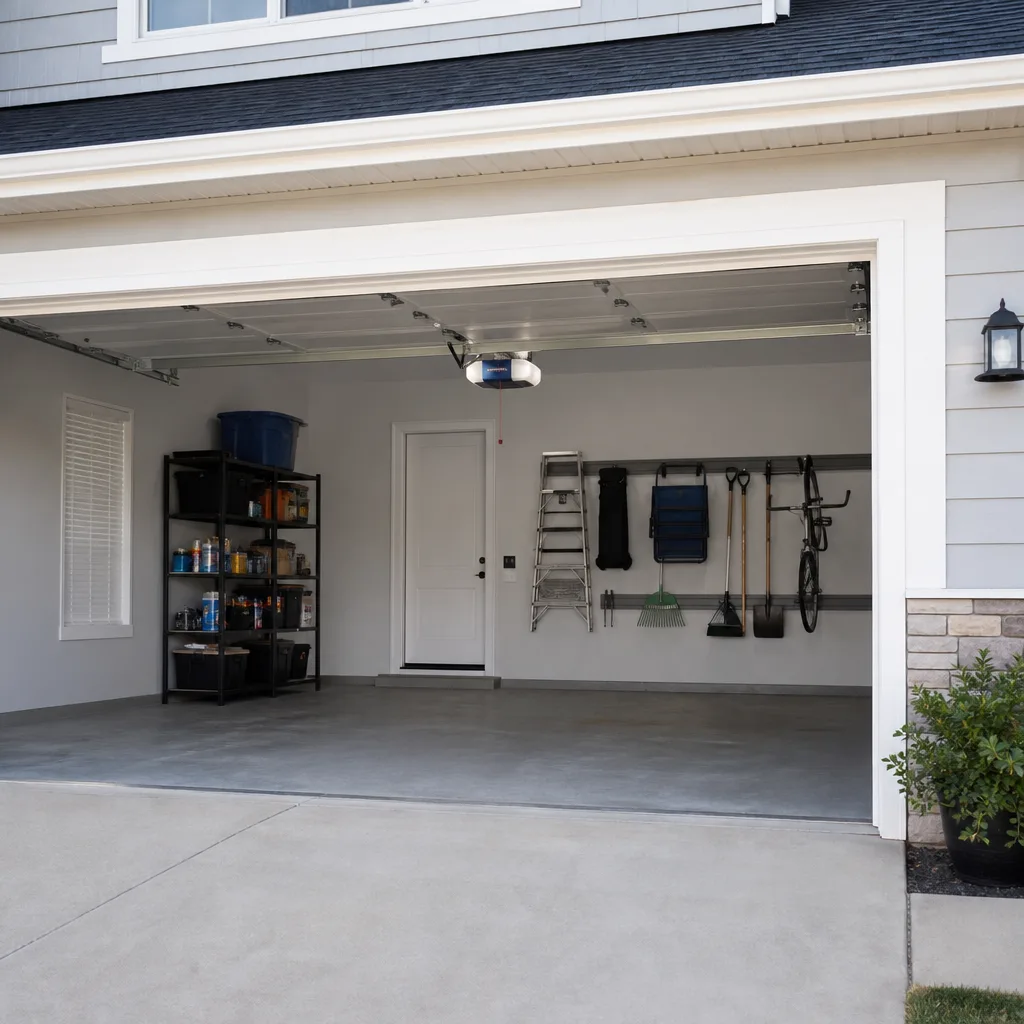 Chamberlain openers
Full 25-point door and opener safety check with every visit - springs, cables, rollers, tracks, and your LiftMaster or Chamberlain opener included
You get a price before we start. It does not change when the truck arrives.
Get your free estimateSeasonal Garage Door Care for Sacramento: Year-Round Homeowner’s Guide
Sacramento’s garage doors take more heat-related abuse between June and September than most U.S. cities see in two full years. The dry, triple-digit summers bake springs until they snap, warp panels that were perfectly flat in spring, and push opener motors past their thermal limits on a weekly basis. Yet most homeowners do their maintenance in spring, right before the damage season begins. This guide flips that calendar. We’ll walk through exactly what Sacramento’s climate does to your door month by month, what you can check yourself, and when a professional tune-up saves you from a 6 a.m. breakdown with your car trapped inside.
Styles & brands we work with
Quick Answer
Seasonal garage door maintenance in Sacramento should be structured around two dominant seasons, not four. Schedule a professional tune-up in April or early May before the heat arrives, do a 10-minute safety check every six weeks during summer, and prep for the rainy season in late October before valley fog and moisture settle in. The two short transition windows, spring and fall, are the best times for professional service in Sacramento because work gets scheduled before emergency demand spikes.
Table of Contents
- Sacramento’s Climate Reality: Two Seasons, Not Four
- Pre-Summer Prep (April – May): What Needs Attention Before the Heat
- Summer Management (June – September): Heat, Warping, and Thermal Cutouts
- The Fall Transition (October – November): Your Second Tune-Up Window
- Rainy Season Care (December – February): Fog, Moisture, and Rust
- The 10-Minute DIY Check You Can Do Any Month
- Common Mistakes to Avoid
- When to Call a Professional
- Frequently Asked Questions
- The Bottom Line
Sacramento’s Climate Reality: Two Seasons, Not Four
Most garage door maintenance guides follow a spring-summer-fall-winter template written for places with actual seasons. Sacramento doesn’t work that way. We have a punishing dry summer that runs from June through September, a mild but wet winter from December through February, and two short transition windows in April – May and October – November. That’s it. If you live in Natomas, Elk Grove, or East Sacramento, your garage door experiences wildly different stress depending on which of these two dominant modes the weather is in.
Summer is the real killer. Sacramento regularly sees stretches of 10 or more consecutive days above 100°F. Your garage, especially if it faces west or south, becomes an oven. Interior temperatures climb 20 to 30 degrees above the outside air. That heat does three things consistently: it accelerates spring fatigue, it causes metal parts to expand and bind, and it pushes opener motors toward their thermal cutoff point. We see more spring failures in July and August than in any other months, and we’re not alone in that observation across the Sacramento Valley.
Winter, by contrast, is not about extreme cold. It’s about moisture. Sacramento’s winter brings valley fog that parks itself for days at a time, light but persistent rain, and humidity levels that sit above 80% for weeks. That moisture attacks the one component most homeowners ignore: the bottom seal. Track rust, sensor corrosion, and swollen wooden door frames all trace back to the wet season.
Understanding this two-season pattern changes how you maintain your door. You don’t do spring maintenance because the calendar says spring. You do it because April and May are your last calm weeks before the trial by heat begins.
Pre-Summer Prep (April – May): What Needs Attention Before the Heat
The window between mid-April and late May is the most important maintenance period for Sacramento garage doors. The weather is mild, the door hasn’t been stressed yet, and you have time to address problems before they become emergency calls. Here’s what matters most.
Bottom seals take the first hit. Sacramento’s dry air accelerates rubber deterioration. A bottom seal that’s already brittle from the previous summer will crack and fail completely during the next heat wave. Check it in April. Run your hand along it, look for splits or gaps where daylight shows through. If it’s cracked, replace it before June. A failed bottom seal lets 100-degree air pour into your garage, which makes everything inside hotter and forces your opener to work harder.
Spring lubrication is non-negotiable. Torsion springs and extension springs need a light coat of garage-door-specific lubricant before the heat arrives. Skip the WD-40, it’s a solvent, not a lubricant, and it’ll strip what little protection the spring has. Use a silicone or lithium-based spray. Lubricate the springs, hinges, and rollers. Doing this in April means the metal has a protective barrier when ambient garage temperatures start climbing past 120°F in July. A dry spring under that kind of heat will snap sooner than a lubricated one, every time.
Opener motor ventilation gets overlooked. Your garage door opener has a thermal cutoff switch, usually located near the motor housing. When temperatures exceed safe operating limits, the motor shuts itself down to prevent permanent damage. In Sacramento, that cutoff trips frequently during summer if the opener motor sits in a hot garage with poor airflow. Check that the motor area isn’t boxed in by stored items, and make sure any ventilation slits on the motor housing are clear of dust and cobwebs. This is especially important for homes in Land Park and Midtown where garages tend to be smaller and trap heat faster.
Check the door balance. Disconnect the opener using the emergency release cord, then manually lift the door to waist height. It should stay put without drifting. If it drops or rises on its own, the springs are out of balance or wearing out. A door that’s slightly off balance in May will be significantly worse by August. This is also the time to listen for grinding or squeaking sounds when the door moves, those indicate parts that need attention before heat stress turns a noise into a break.
Why scheduling matters. April and early May are slower booking periods for garage door repair in Sacramento. Once the first 100°F week hits, our schedule fills with snapped springs and jammed doors. A tune-up scheduled in early May costs less than an emergency call in July because you’re not paying for urgency, and you get the technician’s full attention on a door that isn’t already broken.
Summer Management (June – September): Heat, Warping, and Thermal Cutouts
Summer in Sacramento is when garage door problems go from inconvenient to critical. It starts with the first sustained heat wave in June and doesn’t let up until late September, sometimes early October. The goal here isn’t to fix things during summer; it’s to spot early warning signs and prevent small issues from becoming complete system failures.
Panel warping happens faster than you’d think. Metal doors, particularly lighter-gauge steel panels, expand and contract with temperature swings. A door that faces west and gets direct afternoon sun can reach surface temperatures above 160°F. That heat causes the metal to expand. If the door was installed without adequate clearance or if the hinges have bound up, that expansion creates visible ripples and waves in the panels. Once a panel warps, it doesn’t spring back. Check your door’s exterior in the morning before the sun hits it directly. Look for new ripples, especially in the lower and middle sections. Early warping might be fixable by adjusting hinge tension or addressing track alignment. Full heat damage on a Sacramento door means panel replacement, and that’s a garage door installation conversation, not a repair one.
Thermal cutouts are the summer’s most common opener problem. Every modern garage door opener repair in Sacramento involves thermal cutoff diagnostics at some point between June and September. The motor overheats, the safety switch trips, and the door simply doesn’t respond. It’s not broken; it’s doing exactly what it was engineered to do. The problem is that Sacramento garages run hotter than the engineers in Ohio or Indiana ever designed for. If your opener quits mid-afternoon but works again after the garage cools down, that’s thermal cutoff, not a dead motor. The fixes range from improving garage ventilation to relocating or shielding the motor housing. Sometimes the solution is simply running the door in the early morning and evening during extreme heat waves.
Spring failure peaks in July and August. Torsion springs are rated for a certain number of cycles, typically 10,000 openings and closings. Heat doesn’t reduce that number directly, but it accelerates metal fatigue. A spring that’s five years old and has been through three Sacramento summers is much closer to failure than the same spring in a cooler coastal city. When a spring snaps, it sounds like a gunshot inside the garage. If you’re home when it happens, count yourself lucky; you discovered it before trying to open the door. If the door won’t open and you hear grinding, stop and check the spring. Never attempt to replace a torsion spring yourself. The tension stored in that spring can cause serious injury or death if released improperly. This is one job that always warrants a trained professional.
Lubricate mid-season, not just in spring. The lubricant you applied in April will be baked off or evaporated by early July in Sacramento’s dry heat. We recommend a second light lubrication pass in late June or early July, focusing on hinges and rollers. It takes 10 minutes and extends the life of every moving part. Don’t over-lubricate; a light coat is enough, and excess lubricant attracts dirt that becomes grinding paste.
The Fall Transition (October – November): Your Second Tune-Up Window
Sacramento’s fall is the second calm window of the year, and it’s just as valuable as spring. October brings temperatures back into the 70s and 80s. The evenings cool off. The punishing heat breaks. And for about six weeks, between mid-October and late November, the weather is ideal for garage door work.
This is the best time for opener diagnostics. If your opener was tripping its thermal cutoff all summer, but you kept deferring the fix because it only happened on the hottest days, October is the time to address it. The garage is cool enough for a technician to work in, but the memory of those summer shutdowns is still fresh. An opener diagnostic in the fall catches wiring problems, sensor misalignment, and motor wear before winter moisture makes electrical issues worse. Opener repair is its own specialty, and fall is when we recommend scheduling one.
Seals need a pre-rain check. The bottom seal that cracked over summer will be tested immediately when the first real rain arrives in November or December. A failing seal turns every rain into a garage floor puddle, and a garage floor puddle leads to rusted tracks, swollen door frames, and ruined stored items. Check the seal in October. If it’s questionable, replace it now. A new bottom seal installed in late October has months of dry weather to settle before the wet season starts.
Temperature swings affect sensors and wiring. Sacramento’s fall temperatures swing from 85°F daytime to 40°F at night across a single six-week period. That’s a 45-degree swing that causes wire connections to expand and contract. Loose connections that held fine all summer start causing intermittent sensor faults in November. If your door reverses for no obvious reason or the safety sensors blink, check the connections first. This is a common fall symptom that gets misdiagnosed as a sensor failure when it’s actually a worn connection.
Schedule before the rain. Once the first real atmospheric river arrives in December, everyone in Sacramento discovers their garage door leaks at the same time. Booking a tune-up in late October or early November means you’re ahead of that rush, and the technician can spot moisture-entry points before they cause damage instead of after.
Rainy Season Care (December – February): Fog, Moisture, and Rust
Sacramento’s winter is mild by most standards, but it has a moisture profile that creates specific garage door problems. Valley fog, known in the region as tule fog, can sit over the Sacramento Valley for days or weeks at a time. Humidity stays near 100% during those stretches, and the air temperature hovers in the 40s and 50s. That combination, cool temperatures plus sustained high humidity, is perfect for condensation. And condensation is the enemy of garage door hardware.
Track rust builds silently. Your door’s vertical tracks are made of galvanized steel, but the galvanization wears thin over years of friction from roller movement. Once bare steel is exposed, Sacramento’s foggy winters accelerate surface rust quickly. Surface rust on tracks isn’t immediately dangerous, but it creates rough spots that cause rollers to bind and jump. You’ll hear a stutter or jerk when the door moves. Left untreated, track rust becomes structural rust, and then you’re looking at track replacement. Check tracks monthly during winter. If you see orange discoloration, clean it with a wire brush and apply a light protective coating. This is a maintenance item, not an emergency, but it’s one that prevents an emergency later.
Sensor eyes fog up and short out. The photo-eye safety sensors near the bottom of your door are supposed to be sealed, but age and weather exposure degrade those seals over time. Moisture gets inside, and the sensor starts throwing intermittent faults. The door reverses or refuses to close. This problem is worse in Sacramento than in drier winter climates because the humidity is sustained for weeks, not hours. If your sensors act up only in winter, suspect internal moisture. A professional can test the sensors and replace them if needed, it’s a straightforward opener repair that avoids chasing phantom problems.
Drainage around the door matters. Sacramento homes, particularly older ones in neighborhoods like Curtis Park and Tahoe Park, sometimes have slab or drainage issues that direct water toward the garage door. During winter, this means water pools at the base of the door. Even a good bottom seal can’t keep standing water out. Check that the area in front of your garage drains properly. If water pools, you may need a threshold seal, which is a raised rubber dam installed on the concrete under the door. It’s an inexpensive fix that prevents hundreds of dollars in water damage.
Wood doors need winter attention. If your home has a wooden garage door, Sacramento’s winter moisture will find every crack and gap. Wood swells when wet, which can cause the door to bind in its opening. Once the door binds, the opener strains, and a strained opener motor is a premature replacement. Keep wood doors painted or sealed, and address any visible cracks before the wet season deepens.
The 10-Minute DIY Check You Can Do Any Month
Between professional tune-ups, a quick monthly inspection catches most problems early. This is a list of what to look for. None of these steps involve opening up the opener housing or touching springs under tension.
- Look at the door from outside. Stand back 10 feet. Check that the door sits level. If one side hangs lower, something’s off in the spring or cable balance.
- Listen to the door move. Open and close it once. A healthy door makes a consistent, low hum. Grinding, squealing, or thumping sounds mean a part needs lubrication or replacement.
- Check the bottom seal. With the door closed, look for gaps where daylight shows through. Any gap means heat is escaping or water is getting in.
- Test the auto-reverse. Place a roll of paper towels in the door’s path and close it. The door should reverse immediately upon contact. If it doesn’t, the safety mechanism needs professional attention.
- Inspect the cables. Look at the cables running along each side of the door. They should be taut and free of fraying. Do not touch them; just look.
- Check for rust. Run your eyes along the tracks, hinges, and springs. Surface rust is a maintenance flag; deep rust or flaking is a replacement flag.
This check takes ten minutes. Do it the first weekend of every month, and you’ll catch most problems before they become breakdowns. If anything looks or sounds wrong, that’s the time to call for a professional assessment before the issue compounds.
Common Mistakes to Avoid
- Lubricating with WD-40. WD-40 is a penetrating oil and solvent. It displaces moisture, but it also strips the lubricant that’s already on your springs and hinges. Within a month of WD-40 application, the parts are drier than before. Use a garage-door-specific lubricant or a silicone spray instead.
- Ignoring a noisy door. A squeak or grind isn’t a personality trait; it’s a warning sign. Every month a noisy door runs without attention, the underlying issue gets worse. A hinge that needs lubrication today becomes a broken hinge in three months.
- Painting over panel damage. If your panels have small dents or surface rust, paint is a cosmetic solution that hides the problem without fixing it. A professional inspection can tell you whether the damage is structural or just ugly. In Sacramento’s heat, structural weakness accelerates fast.
- Adjusting spring tension yourself. Even some DIY-savvy homeowners attempt this. Torsion springs under tension hold enough force to break bones or kill. Never adjust, remove, or replace a spring without professional training. This is the most dangerous part on your property.
- Waiting until a breakdown to schedule maintenance. By the time the door won’t open, the repair bill is higher, and you’re stuck at home. Scheduled maintenance costs a fraction of emergency repair and keeps you moving. Sacramento’s heat makes breakdowns more likely, not less, so proactive care matters more here.
- Forgetting the opener when you maintain the door. The door gets all the attention, but the opener motor, its wiring, and its sensors are doing the heavy lifting. Opener-specific care is its own specialty, and skipping it means you’ll eventually have a perfectly healthy door that won’t move.
- Assuming a new door needs no maintenance. New doors and openers still need seasonal care. New doesn’t mean maintenance-free, especially in a climate as demanding as Sacramento’s. A new door that’s ignored will develop problems faster than an older door that’s maintained.
When to Call a Professional
Some garage door tasks are safe for a homeowner with basic comfort around tools. Others are not. Call a professional when the problem involves torsion springs under tension, cables that have come off the drum, any electrical issue inside the opener motor housing, or a door that’s fallen off its tracks. These are dangerous situations. A trained technician has the tools, the training, and the insurance to handle them safely.
We’d also recommend a professional tune-up twice a year in Sacramento, once in April or May and once in October. Between those visits, your monthly DIY check keeps things healthy. When you call, you want a technician who’s familiar with your system before they arrive. That’s how we work. We service the brands Sacramento homeowners already have, whether that’s a LiftMaster opener, a Clopay door, or a combination of several manufacturers.
If your door is showing any sign of trouble, or if it’s been more than a year since anyone looked at it, Carlton Garage Door Repair offers free estimates in Sacramento. Call (833) 589-6808 and we’ll come out, assess what’s happening, and give you a written price before any work begins.
Frequently Asked Questions
Twice a year is the right cadence for Sacramento’s climate. Schedule a tune-up in April or early May before the heat arrives, and another in October before the rainy season. The twice-yearly schedule catches heat damage before it compounds and moisture problems before they cause rust or electrical faults. Call us at (833) 589-6808 to book either tune-up, and we’ll work around your schedule.
That’s almost certainly a thermal cutoff. The motor has an internal safety switch that shuts it down when it overheats, and Sacramento garages regularly exceed the operating temperatures those motors were designed for. The fix might be as simple as improving garage ventilation or as involved as relocating the motor. A diagnostic will tell you which. Call (833) 589-6808 if your opener quits during heat waves, and we’ll diagnose it.
No. Torsion springs are under enormous tension, and a mistake during removal or installation can cause serious injury or death. This is a professional-only job, always. When a spring breaks in Sacramento’s summer heat, which is when most failures happen, call (833) 589-6808 and we’ll replace it safely, same day in most cases.
Late spring or early fall are the best times. The weather is mild for installation crews, and you avoid the summer emergency rush and the winter rain delays. Most importantly, replacing a door in April or October means you’re not trying to get a door installed while your old one is broken. We handle garage door installation in Sacramento with free written estimates, so you know the cost before you commit.
Close the door and look along the bottom edge from inside the garage. If you can see daylight between the door and the floor, the seal has failed or is compressed beyond usefulness. In Sacramento, bottom seals typically last 3 to 5 years depending on sun exposure. Replacement is straightforward and inexpensive, and it prevents expensive water damage during Sacramento’s wet winters. Call (833) 589-6808 for a free assessment.
We service what you already have. Our technicians are factory-familiar with eight major brands, including LiftMaster, Chamberlain, Genie, Clopay, Amarr, Wayne Dalton, Craftsman, and Raynor. That means faster diagnostics and accurate parts sourcing no matter what’s installed. We don’t steer you toward a specific brand; we fix the one that’s already on your garage. That’s the brand-agnostic approach we’ve always taken.
The Bottom Line
Sacramento’s garage doors live hard lives. The summer heat is relentless, the winter fog is persistent, and the two transition seasons pass quickly. A door that’s maintained on Sacramento’s actual rhythm, pre-summer and pre-rain, will last years longer than one that’s maintained on a generic spring-fall calendar. The ten-minute monthly check plus two professional tune-ups a year is the simplest, cheapest way to avoid breakdowns entirely. If you haven’t had a tune-up recently, especially before the next heat wave or the next atmospheric river, call (833) 589-6808. The estimate is free, and the peace of knowing your door will open tomorrow morning isn’t a guess.
Written by the team at Carlton Garage Door Repair, serving Sacramento since 2012.
See the difference
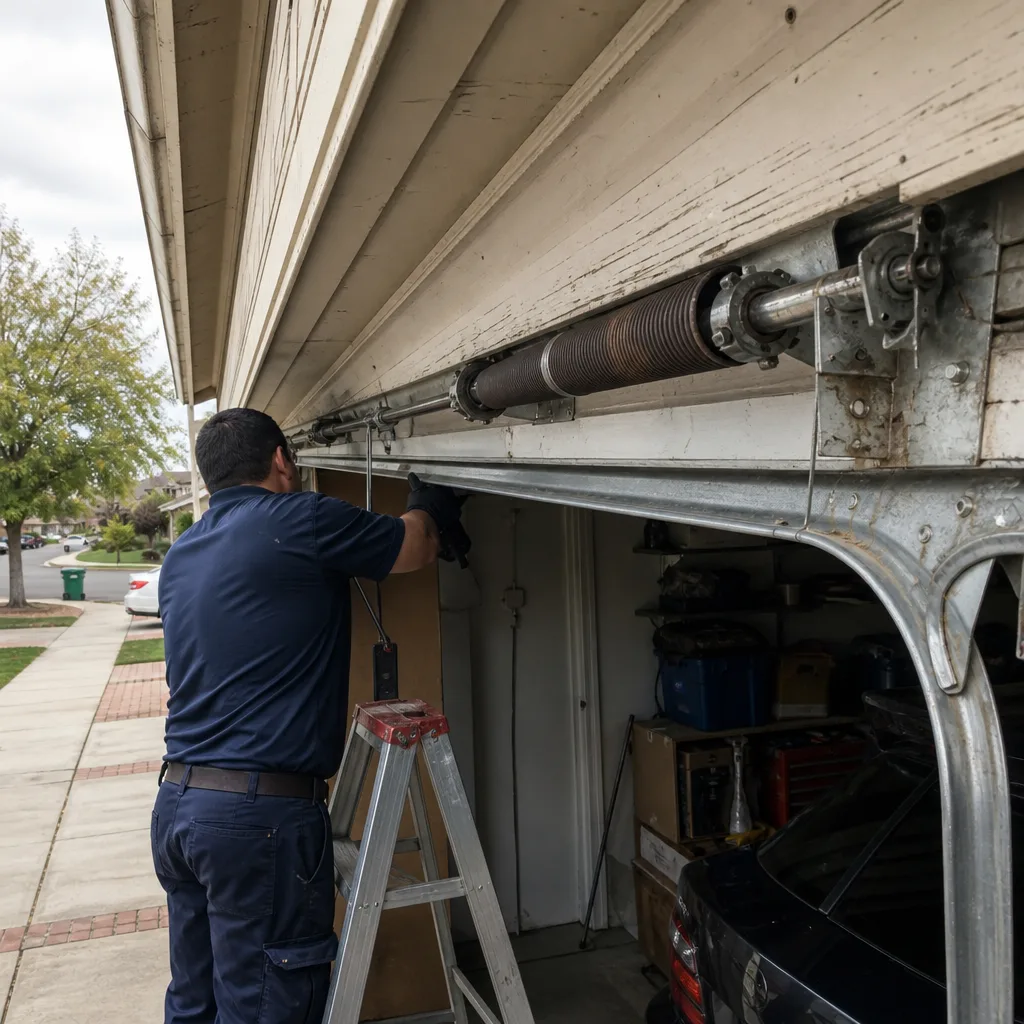
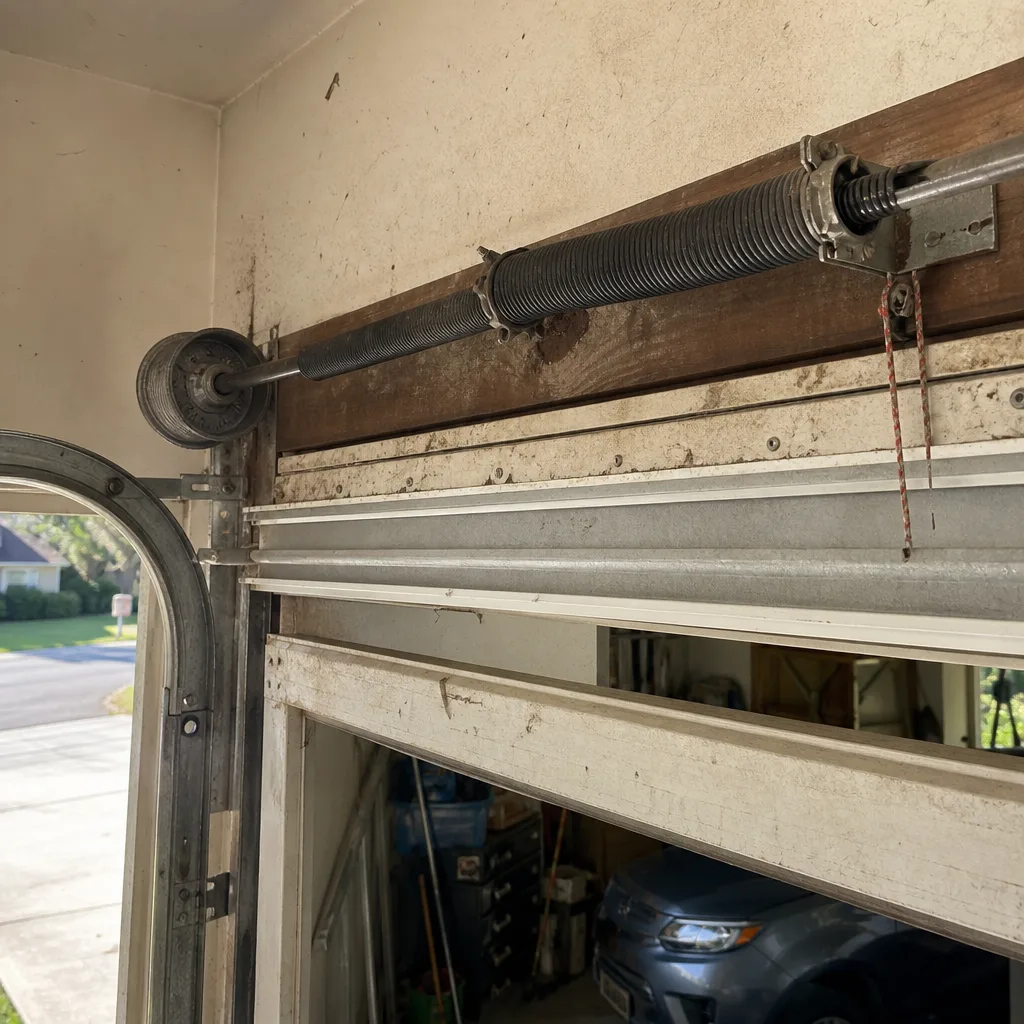 Before
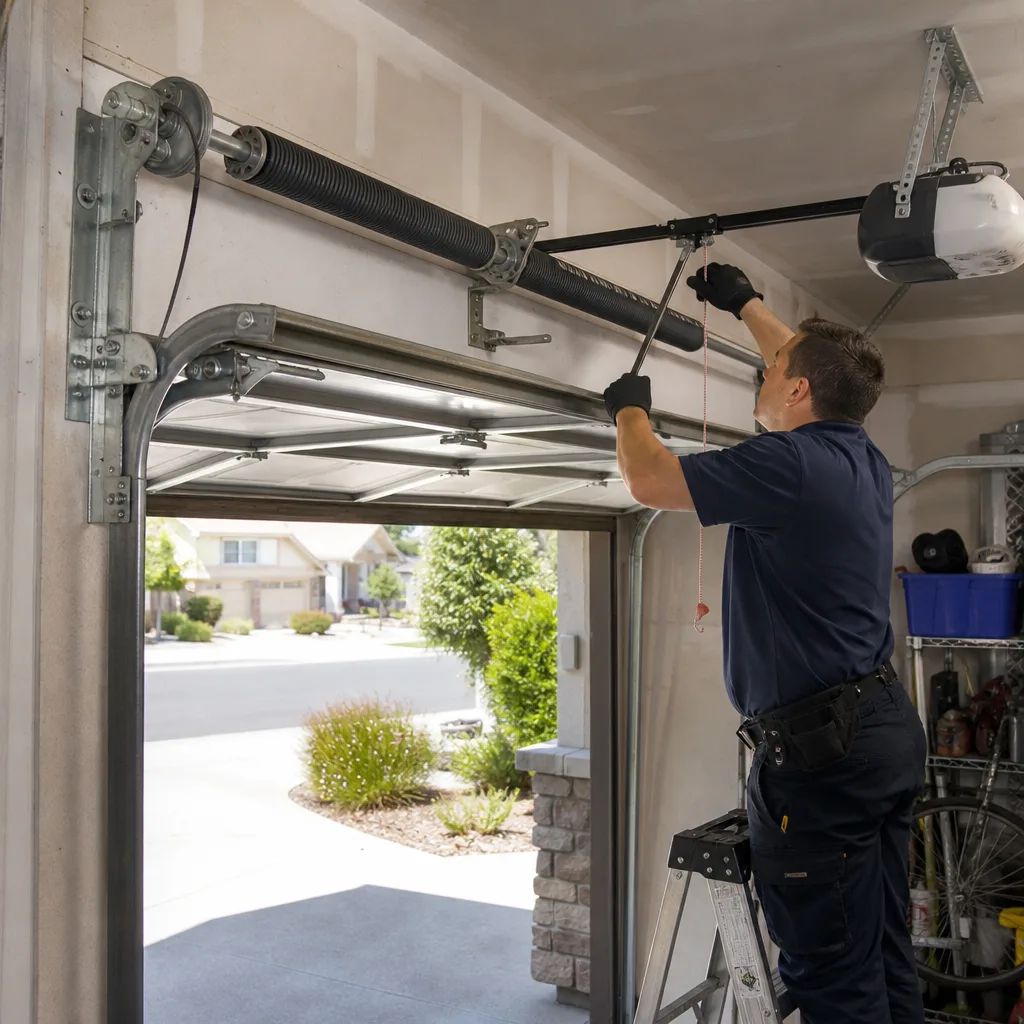
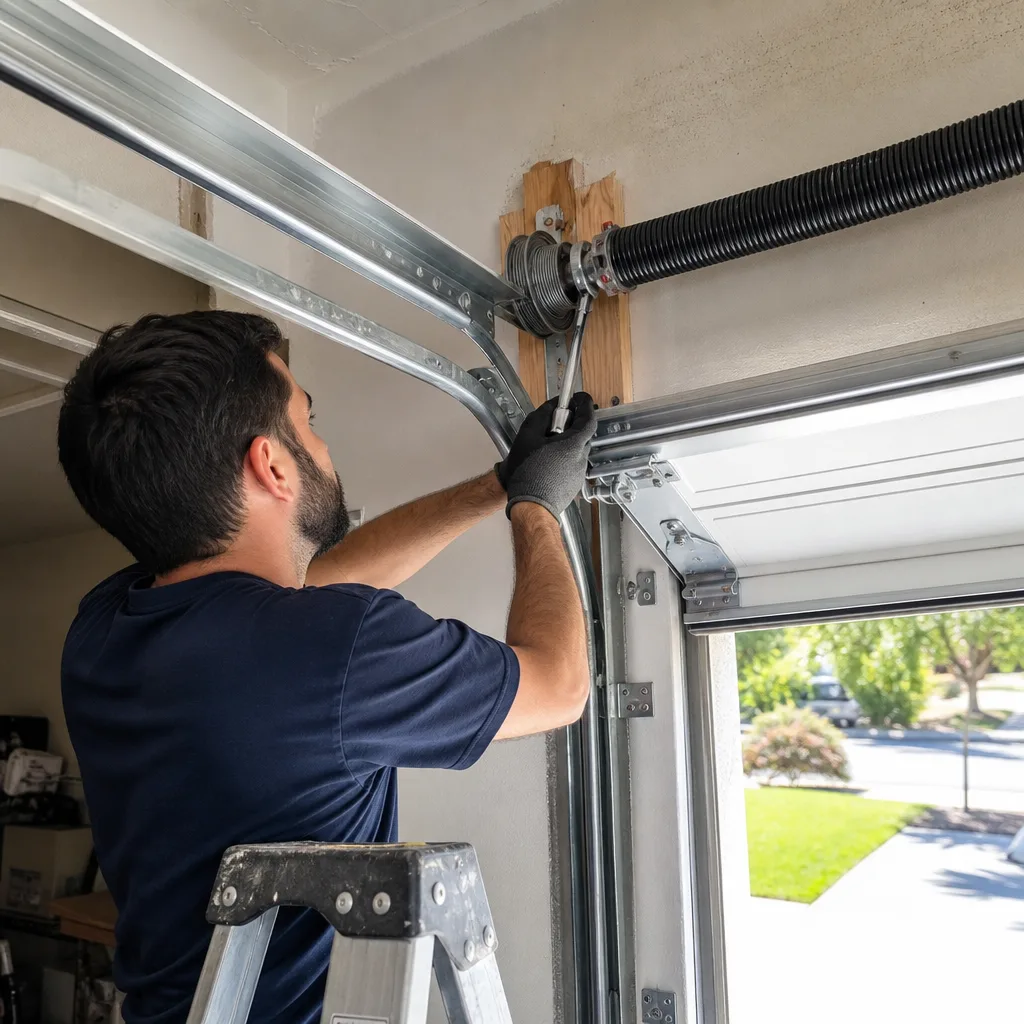 After
 Before
 After
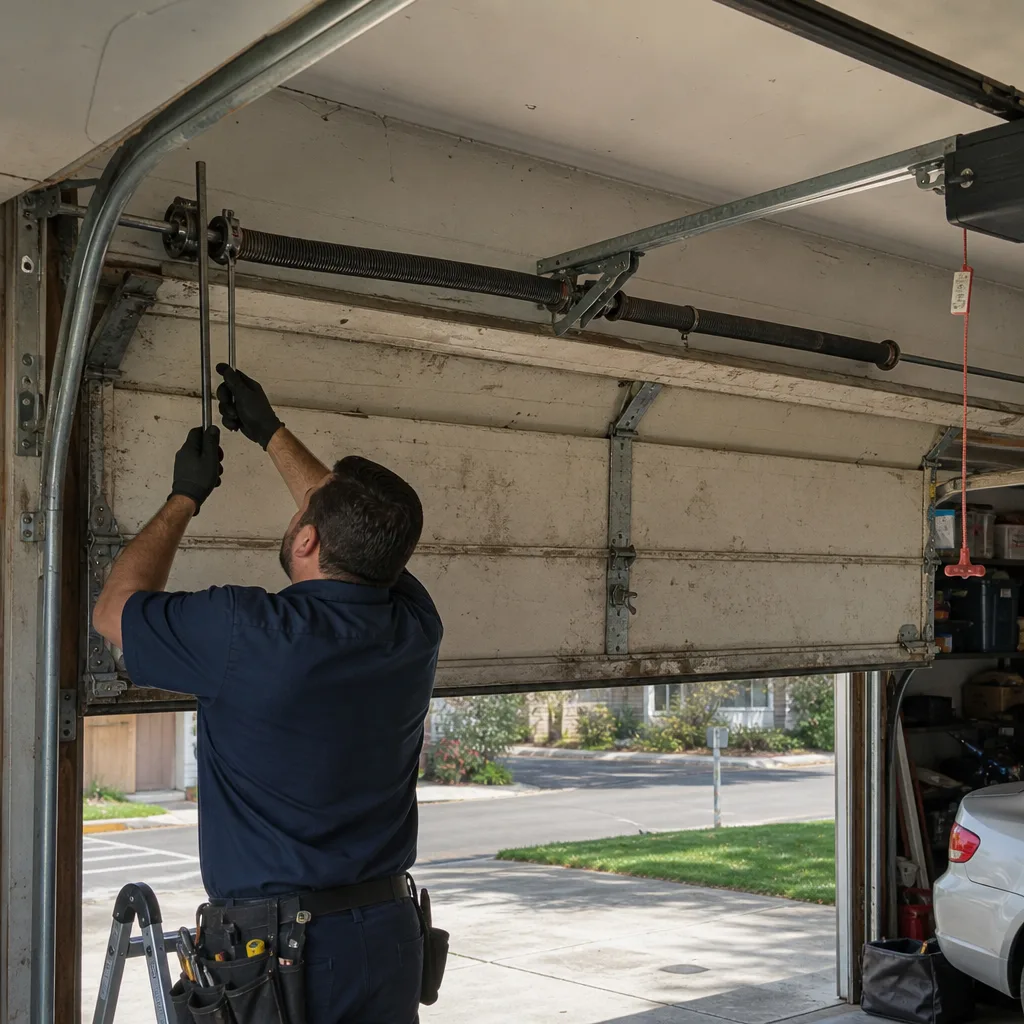 Before
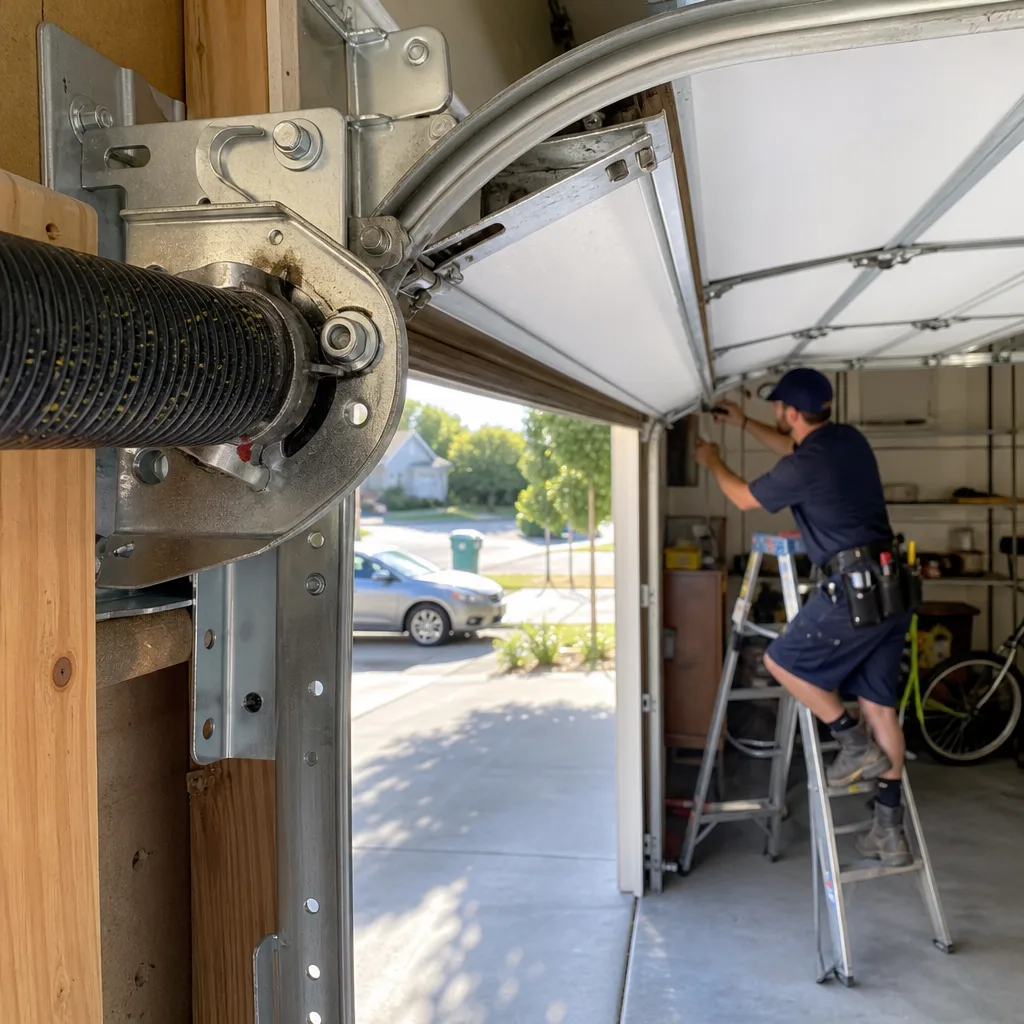 After